Choosing the right flooring for your home means balancing looks with function in every room. You can pick anything from traditional hardwood to modern vinyl and tile, and each brings its own advantages. In the New Orleans area, where one house may sit on a concrete slab and the next on raised piers, it helps to think about durability, moisture, and design before you decide between hiring an installer and a DIY approach.
Things to Consider in Choosing the Right Flooring for Your Home
Consider Durability
When selecting flooring, start with durability. Think about foot traffic in your home. High-traffic areas need strong floors. Hardwood and tile are durable options. They resist wear and last long.
For families with kids or pets, scratch-resistant materials are best. Some laminates offer this protection. They keep floors looking new longer.
Assess Maintenance
Maintenance should be easy for any flooring choice. Some floors need more care than others. Hardwood may require refinishing over time. The tile might need new grout.
Consider floors that are simple to clean. Vinyl and laminate can be wiped down quickly. They don’t demand special cleaners or treatments.
Evaluate Comfort
Comfort is key in a home setting. Soft flooring like carpet feels good underfoot. It’s cozy on a cool morning and reduces noise.
However, if allergies are a concern, consider hard surfaces. They trap fewer allergens and are easier to keep dust-free.
Style Preferences
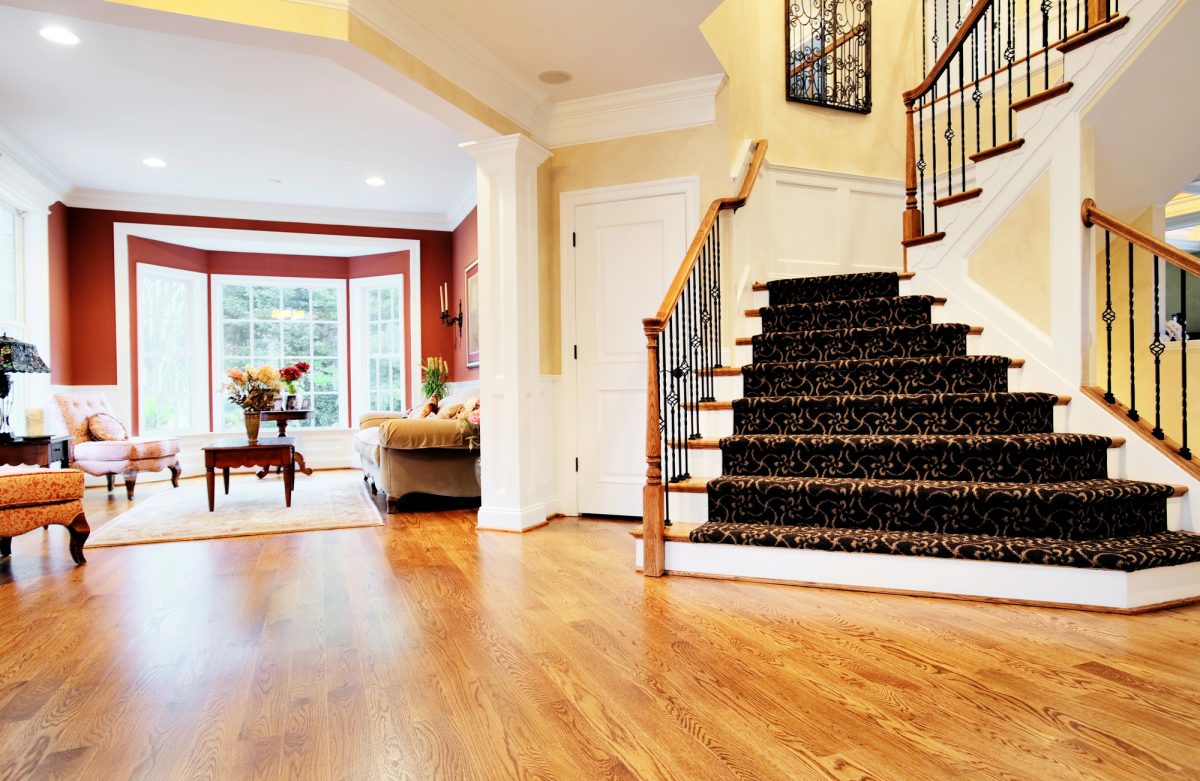
Your flooring choice should match your style. Modern homes suit sleek tiles or polished concrete. Traditional spaces often work well with classic hardwood or elegant stone.
Mixing materials can create unique looks. Try combining wood with tile for an eye-catching effect.
Budget Considerations
Your budget will guide your flooring choice. Costs vary widely across materials. Hardwood is generally pricier than laminate or vinyl.
Remember to include installation costs in your budget. The professional fitting can add to the overall expense.
Evaluating Flooring Costs for Your Budget
Cost Comparison
Understanding the costs of flooring involves looking at both initial prices and long-term value. The upfront cost can be deceiving as some materials, though cheaper initially, may not last as long or could require more maintenance. Hardwood floors, for example, have a higher price per square foot but can add significant value to your home and have a longer lifespan.
Conversely, laminate flooring might offer attractive savings numbers on day one but could need replacing much sooner than hardwood. It’s important to perform tests on samples or seek out average durability times for different materials when considering overall costs.
Budgeting Tips
When budgeting for new flooring, include both material costs and installation expenses in your calculations. The average cost of labor can vary greatly depending on the complexity of the job and the condition of your subfloor. Some homeowners overlook these labor costs only to find their total expenditure far exceeds their initial estimates.
To avoid surprises:
Research local labor rates.
Get multiple quotes from contractors.
Factor in extra square footage for waste during installation.
Remember that while DIY installations can save money upfront, they may not always provide the same quality or longevity as professional workmanship.
Choosing the Right Flooring for Different Rooms
Room Function
Your flooring choice must suit each room’s purpose. Kitchens and bathrooms need flooring that withstands moisture well. Tile or linoleum flooring are excellent choice here due to its water resistance. Living rooms, on the other hand, see a lot of foot traffic and can benefit from durable wood floors or carpeting for comfort.
For ground-floor rooms on a concrete slab, check the subfloor before deciding. A slab may need a moisture test and a vapor barrier, and tile or waterproof vinyl handle slab moisture best.
Aesthetic Impact
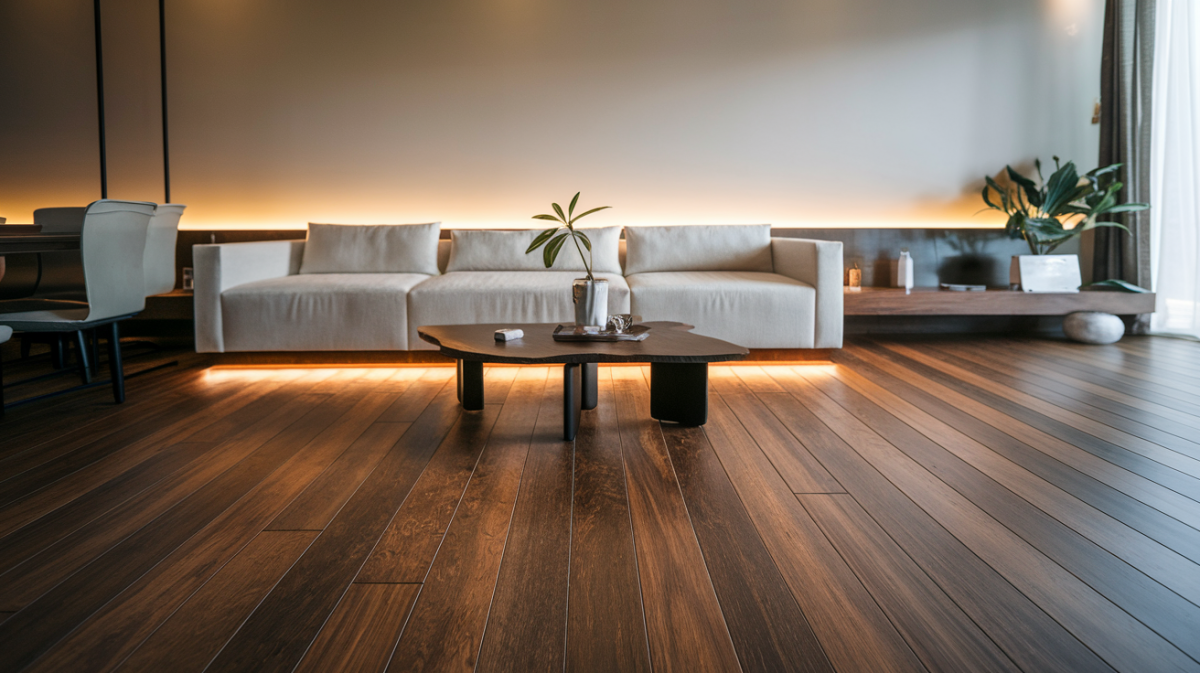
The size of your room influences how a floor will look once installed. In small rooms, light-colored floors can make the space appear larger. Conversely, dark wood planks add warmth to expansive areas but could overwhelm smaller spaces. Lighting also matters in your selection process. Natural light brings out the beauty in wood flooring while artificial lighting pairs well with brighter color options like white tile or light carpet.
Practical Style
When choosing flooring materials, it’s important to balance personal taste with practical needs. For bedrooms where comfort is key, soft carpet might be ideal over hardwood floors which feel colder underfoot.
In high-traffic areas such as hallways and living rooms, durability should be prioritized alongside style preferences; hardwood or laminate are stylish and sturdy options.
Remember these tips when selecting:
Match flooring types with room use.
Consider moisture levels; opt for tile in wet areas.
Choose lighter colors for small rooms.
Factor in both natural and artificial lighting effects on floors.
Factors Influencing Your Home Flooring Decision
Activity Levels
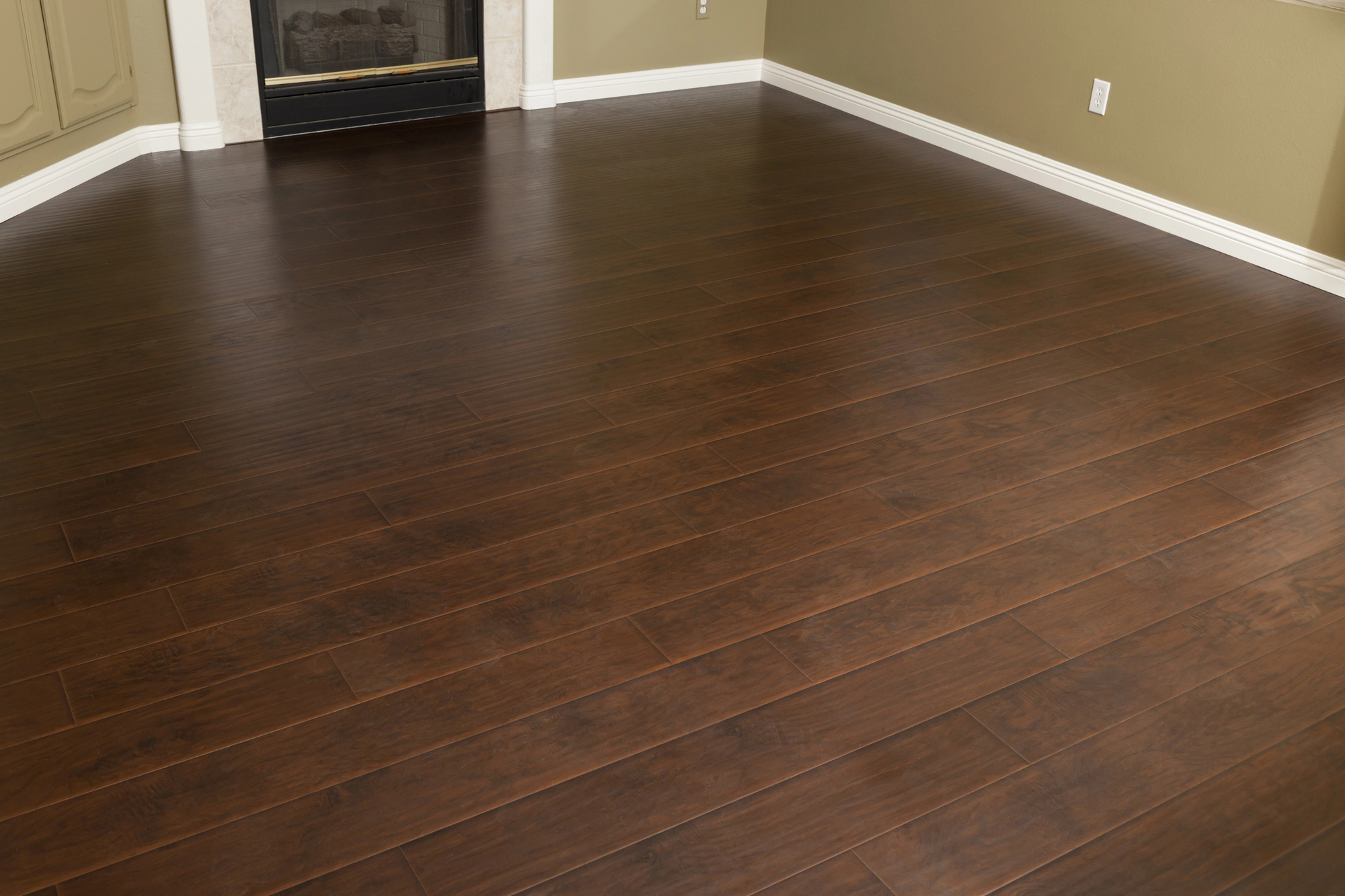
Household activity can greatly affect the durability of flooring. High-traffic areas need tough materials that resist wear and tear. Homes with kids or pets might choose hardwood or laminate for their resilience. On the other hand, less busy spaces could opt for softer options like carpets.
Materials like tile and vinyl are also popular in high-use areas because they are easy to clean. They withstand spills and stains better than many other flooring types. Always consider how much foot traffic each room will get before making a decision.
Allergy Considerations
Flooring choices can impact allergies and indoor air quality. Some materials trap dust, pet dander, and pollen more than others do. For households concerned with allergies, it’s wise to select flooring that doesn’t hold onto these irritants.
Hard surfaces such as wood, laminate, or tile tend to be better for allergy sufferers since they don’t harbor allergens easily. These options make cleaning simpler too which helps maintain good air quality in the home.
Resale Value
The type of flooring you install can influence your home’s resale value. Quality materials often lead to higher valuations from potential buyers who appreciate durable and attractive floors.
Investing in high-quality hardwood may cost more upfront but can pay off during resale time due to its timeless appeal and longevity. Conversely, cheaper materials might not add as much value but could be a smart choice if you’re not planning on selling soon. It’s important to balance your budget with potential return on investment when selecting your perfect home flooring material.
Choosing the perfect flooring requires careful thought about durability, maintenance, comfort, style, and budget. Weigh these factors against your lifestyle needs to make the best decision for your home. At TurnKey Floorings, we understand the importance of quality, style, and durability when it comes to your flooring choices. Whether you’re envisioning the timeless elegance of hardwood, the easy maintenance of luxury vinyl, or the plush comfort of carpet, we’ve got you covered. Contact us todayfor more information!
Choosing Flooring for a New Orleans Area Home
Start with what’s under the floor. Whether your house sits on a concrete slab or raised piers changes the prep, the products, and sometimes the budget. Slabs need moisture testing, while raised floors need a stiff, dry subfloor and a look at what’s happening under the house. Flooring consultation and design can sort that out before you fall for a sample.
Next, think about water. Look up your address on FEMA’s Flood Map Service Center, and put tile or waterproof vinyl in ground-floor rooms where water is a real risk. Save carpet and solid wood for bedrooms and living spaces that stay dry.
Finally, plan around humidity. Keep indoor humidity steady with the air conditioning and let wood acclimate before installation. From Baton Rouge to Slidell, the right plan starts with a look at your home and how your family uses each room.
Frequently Asked Questions
What factors should I consider when choosing home flooring?
Consider durability, cost, maintenance, room function, and personal style when selecting flooring. Evaluate each factor relative to your lifestyle and budget.
What are some durable flooring options for high-traffic areas?
Hardwood, laminate, porcelain tiles, and luxury vinyl are all suitable for high-traffic areas due to their resilience against wear and tear.
Are there pet-friendly flooring choices that are also safe?
Yes. Look into scratch-resistant floors like bamboo or cork that offer safety too. Avoid slippery surfaces to keep pets safe.
Where can I shop for quality home flooring?
Quality home flooring is available at specialized flooring retailers, home improvement stores, or through online suppliers who may offer a wider variety of options.
Can you recommend any specific type of flooring that balances cost and durability?
Laminate and luxury vinyl plank (LVP) both provide a good balance between affordability and long-lasting performance in various settings.
Flooring trends for 2025 lean bold but practical, mixing good looks with everyday toughness. Reclaimed wood, big tiles, and waterproof planks all have their moment, and in New Orleans the trends wo...
Engineered wood flooring is an excellent choice for homeowners who want the beauty of wood with less worry about warping or moisture damage. That stability matters in New Orleans, where humid summe...
Every floor in your home needs a slightly different kind of care. Hardwood, laminate, tile, carpet, and vinyl each react differently to dirt, spills, and moisture, and in New Orleans humidity adds ...
Table of Contents
1. Key Takeaways
2. Understanding Flooring Costs and Quality
a. How Pricing and Quality Align
b. Why Durability Matters
c. Maintenance and Its Impact on Costs
3....
Laminate flooring is a stylish, affordable, and durable option for homeowners. It's easy to install and cost-effective for home upgrades. In New Orleans, the key is choosing a water-resistant core ...
Table of Contents
1. Key Takeaways
2. How Flooring Boosts Curb Appeal
a. Creates First Impression
b. Defines Outdoor Spaces
c. Guides The Eye
d. Unifies Architecture
e. Adds Te...


 Turnkey Floorings
  Dec 22, 2023
  Evaluate Comfort
 Aesthetic Impact
 Allergy Considerations