 Turnkey Floorings
  Aug 2, 2025
 How to Use Flooring to Boost Your Home’s Curb Appeal
Table of Contents 1. Key Takeaways 2. How Flooring Boosts Curb Appeal a. Creates First Impression b. Defines Outdoor Spaces c. Guides The Eye d. Unifies Architecture e. Adds Te...

Residential License # 890459
Commercial License # 3667

Opening Hours 9:00 am to 6:00 pm

Talk to an Expert
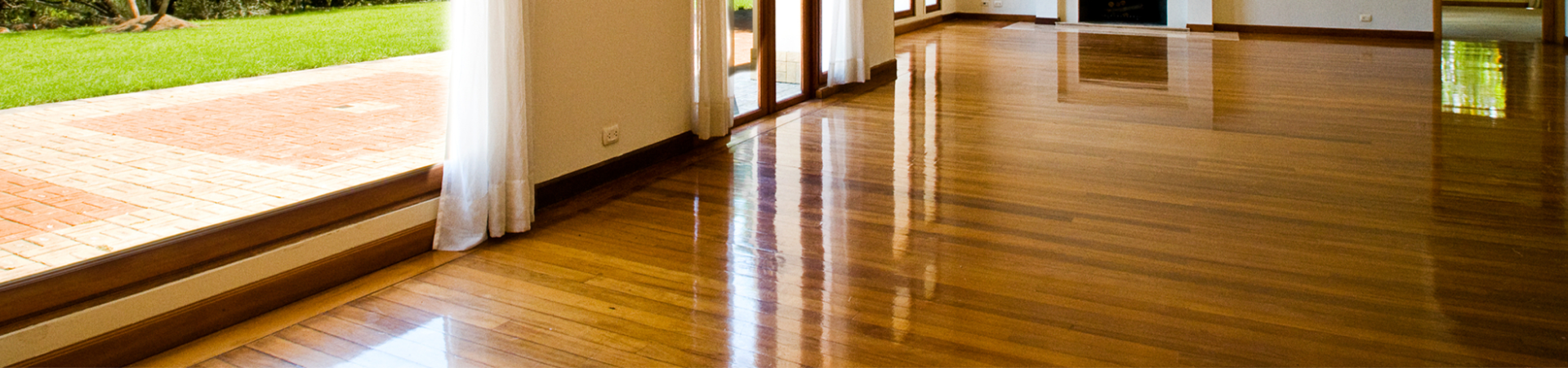
The biggest flooring trends for 2025 center on sustainable materials, bolder textures, and better technology. Bamboo, cork, waterproof vinyl, and large-format tile all pair good looks with everyday function, and in New Orleans the trends that stick are the ones that can handle humidity and heavy rain.
Let’s look at what’s ahead for homes and workspaces around the metro. Don’t hesitate to contact us at TurnKey Floorings for help choosing the right flooring for your property.
As we approach the year 2025, sustainability is driving innovation in the flooring industry, as well as influencing consumers. As environmental awareness increases, both developers and homeowners are considering more durable and attractive materials with low environmental impact.
As eco-friendly products grow in demand, manufacturers are providing innovative alternatives to satisfy the consumer demand for fashionable and durable flooring.
Consumers are looking for certifications of their products, such as FSC and low-VOC labeling, for better indoor air quality. In a humid place like New Orleans, the sustainable choices worth buying are the ones that also stand up to moisture.
Recycling and reusing are also central in flooring design. Companies are converting industrial waste such as rubber and glass into flooring, while previous carpets and tiles are being recycled. These help eliminate landfill waste and keep materials in a circular economy. Salvage wood flooring provides character and can increase LEED points, thus encouraging more sustainability.
As we look towards 2025, sustainability is an underlying driver of flooring innovation and determines consumer choices. Developers and homebuyers with increased concern over environmental factors seek hardy, visually attractive materials with a smaller ecological footprint.
Sustainable flooring materials are changing quickly. For example, engineered hardwood is now uniting toughness with sustainably harvested materials, bringing sophistication while decreasing deforestation. In the same vein, salvaged wood is becoming increasingly popular, letting reclaimed material flourish and minimize waste.
Bamboo and cork flooring continue to be fashionable for renewability and a natural look. Luxury vinyl tiles (LVT) are adding recycled content, showing improvement towards sustainability. Many developers today consider the environmental impact first when choosing products.
As consumers’ demand for green solutions continues to grow, manufacturers are pushed to innovate. Homeowners are increasingly turning to environmentally responsible flooring that balances durability and style.
Consumers look for certifications such as FSC (Forest Stewardship Council) and low-VOC, which indicate healthy indoor air quality and environmental stewardship. In a wet climate like ours, long-lasting and water-resistant materials make the most sense.
Repurposing and recycling are the essence of new flooring design. Companies are recycling industrial waste such as rubber and glass into innovative flooring, while discarded carpets and tiles are remanufactured into new goods.
These processes cut down landfill waste and demonstrate the circular economy. Reclaimed wood flooring, which can be repurposed and recycled for multiple uses, lends historic appeal to environments, increases LEED points, and fosters sustainability.
As we move into 2025, warm woods and earth tones will be the ruling flooring styles, with organic materials front and center for a comfortable ambiance. This trend is a reflection of the emphasis on sustainability and classic design, combining contemporary functionality with the warmth of a home.
Colors such as terracotta, mocha, and sand are also in vogue for interior decoration, suiting individuals looking for a natural environment. Used on floors, these colors blend well with nature-derived elements such as wood and stone, giving an aura of peacefulness. More consumers are opting for materials obtained from environmentally friendly sources that can complement these shades.
To integrate warm tones into modern designs, balance is key. Pair warm wood floors with neutral walls or soft textures like wool rugs to avoid overwhelming visuals. For an upscale touch, combine warm woods with natural stone tiles or matte ceramics for a cohesive and inviting flow.
Looking forward to 2025, the trend in flooring is that it is becoming more expressive, combining artistic taste with functionality. Geometric patterns and strong designs are transforming our way of looking at floors, beautifying both public and private spaces. These trends bring a personal element, providing distinctive solutions for those who wish to express themselves in a fashionable and enduring manner.
Thrillingly, bold hues have invaded floor design, both associated with earthy textures such as wood grain and stone finishes. Vibrant colors and hectic patterns are being dislodged by quieter tones that determine a room’s atmosphere without overwhelming it. Natural wood grain flooring with wide planks provides smooth and welcoming designs, and soft geometric tiles in bathrooms provide vibrant images without overflash.
Statement floors are becoming central design features, frequently the centerpiece of a room. Big patterns, like herringbone in modern living rooms, make a lasting impression and harmonize the room. Designers now suggest larger, less complicated patterns to prevent an outdated appearance, providing both design durability and function.
Warm wood tones are a big trend, and in our humidity the easiest way to get them is often engineered wood or a wood-look luxury vinyl. Both hold their shape better than solid boards when the air turns muggy, and luxury vinyl shrugs off the spills that come with a busy kitchen.
Large-format tile needs a very flat floor. An older raised home can have floors that dip or slope after decades of settling, so plan for floor leveling before you commit to 24-inch tiles. On a slab, a moisture test comes first.
Reclaimed and salvaged wood fits right in with older architecture, but make sure any salvaged boards are dry and free of pests before they come inside. Whether you’re updating a home in St. Rose or Mid-City, bring samples home and look at them in your own light, since a color that looks warm in a showroom can read very differently under a bright Louisiana sun.
In 2025, flooring will marry style, functionality, and sustainability. From natural materials to earthy color schemes, bright designs, and health-conscious products, these trends are changing how our homes look and feel.
Whether redesigning a space or renovating your whole home, flooring matters, since it’s the first thing visitors notice and influences the rest of your space. We can assist you in selecting the perfect fit for your home or business, providing both classic and modern innovations.
Your floors will not only be impressive but also long-lasting for years to come. Get in touch with us at TurnKey Floorings for flooring expertise and customized strategies!
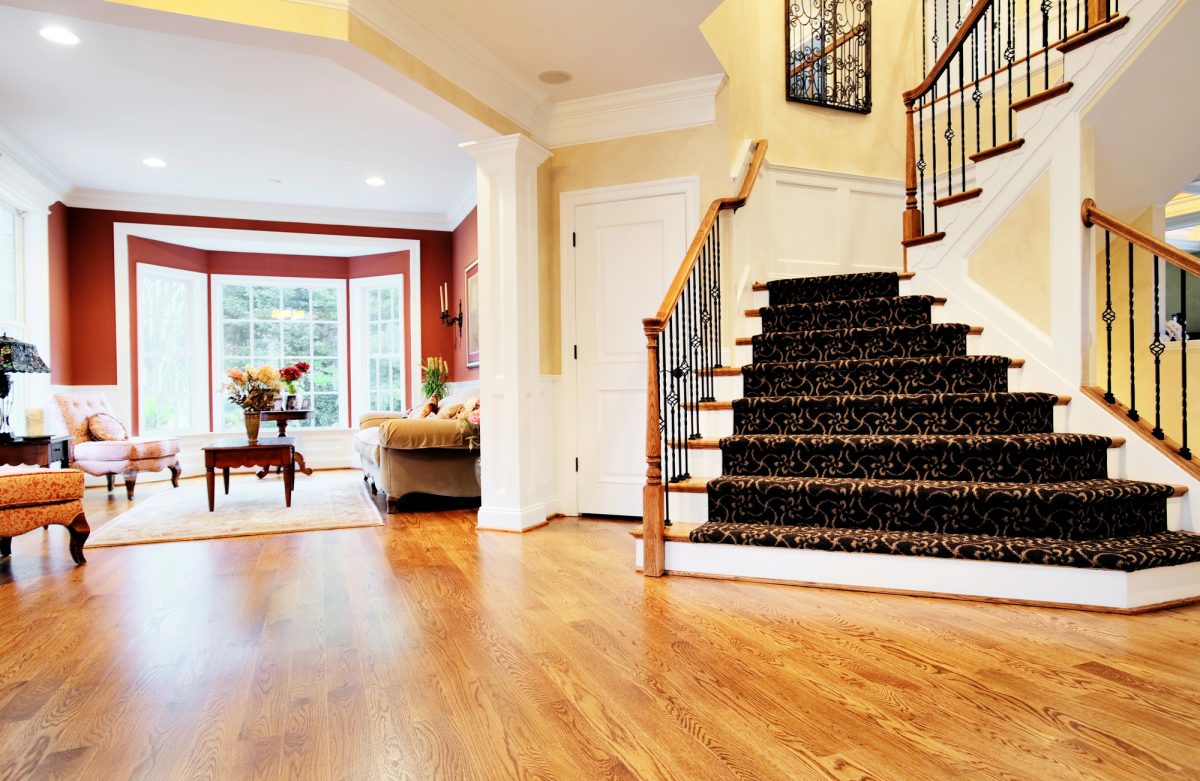
Table of Contents 1. Key Takeaways 2. How Flooring Boosts Curb Appeal a. Creates First Impression b. Defines Outdoor Spaces c. Guides The Eye d. Unifies Architecture e. Adds Te...
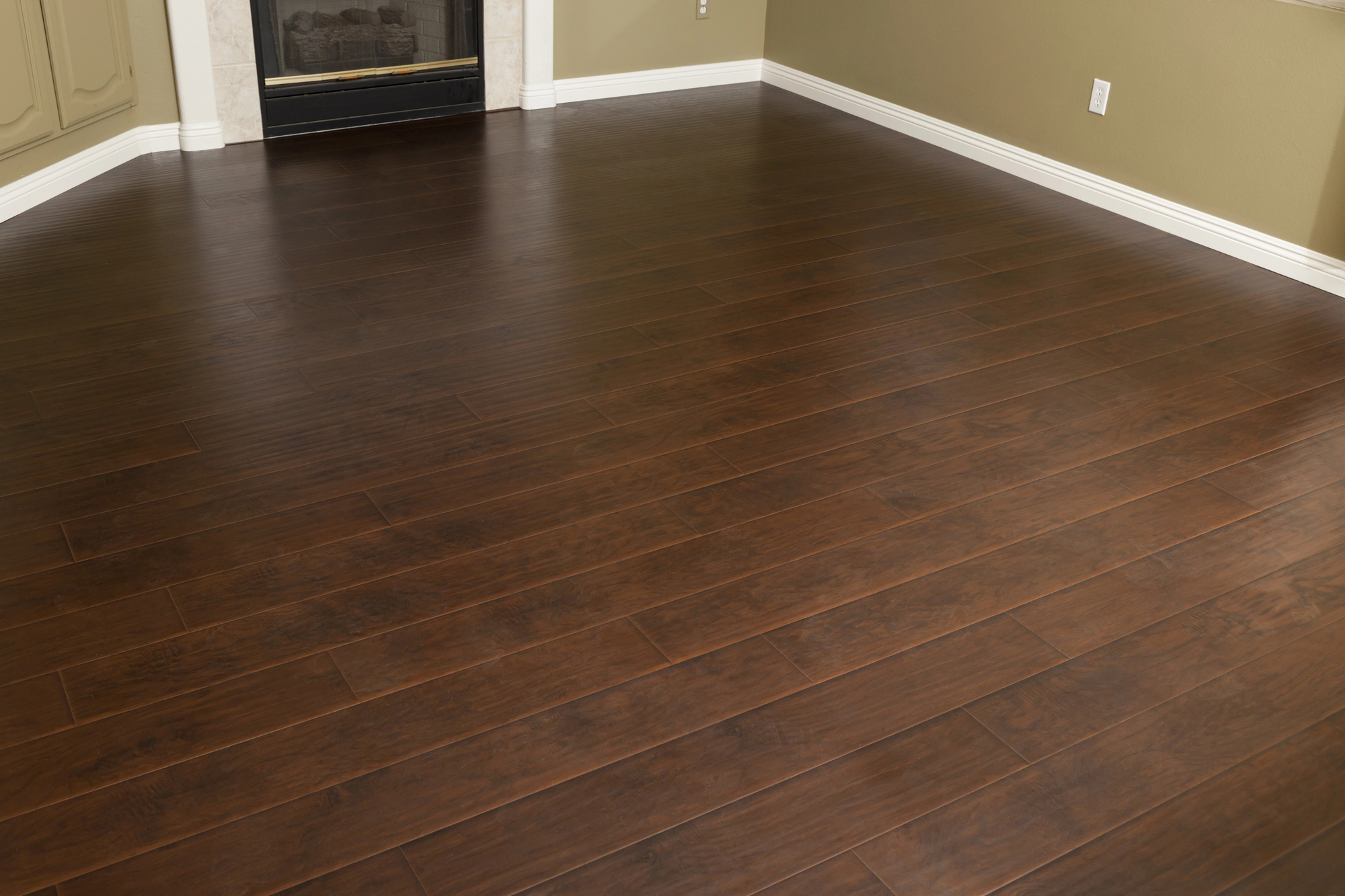
Every floor in your home needs a slightly different kind of care. Hardwood, laminate, tile, carpet, and vinyl each react differently to dirt, spills, and moisture, and in New Orleans humidity adds ...
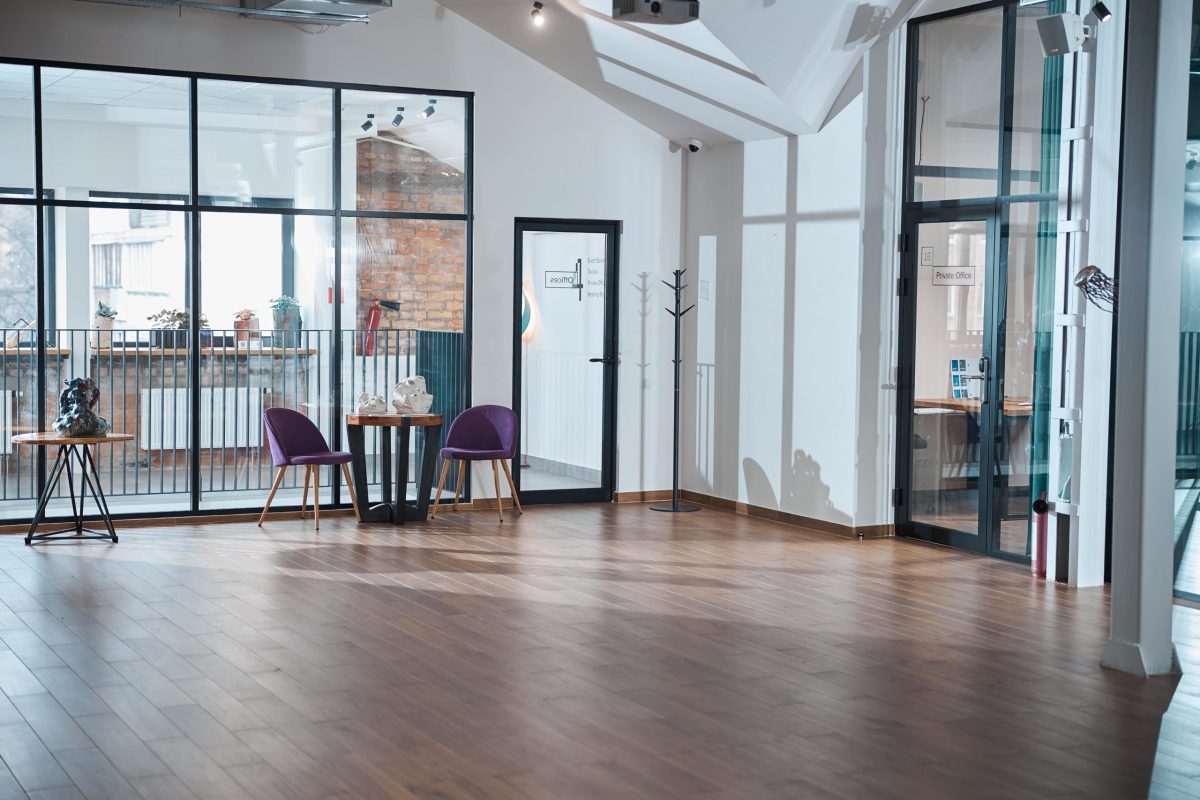
Luxury vinyl has become a go-to flooring choice because it combines good looks with durability and a fair price, and the team at TurnKey Floorings installs it in homes and businesses across the met...

Table of Contents: Key Takeaways Architectural Styles Considered a. Defining Architectural Styles b. How Architecture Influences Flooring Choice c. Historical Context of Flooring...
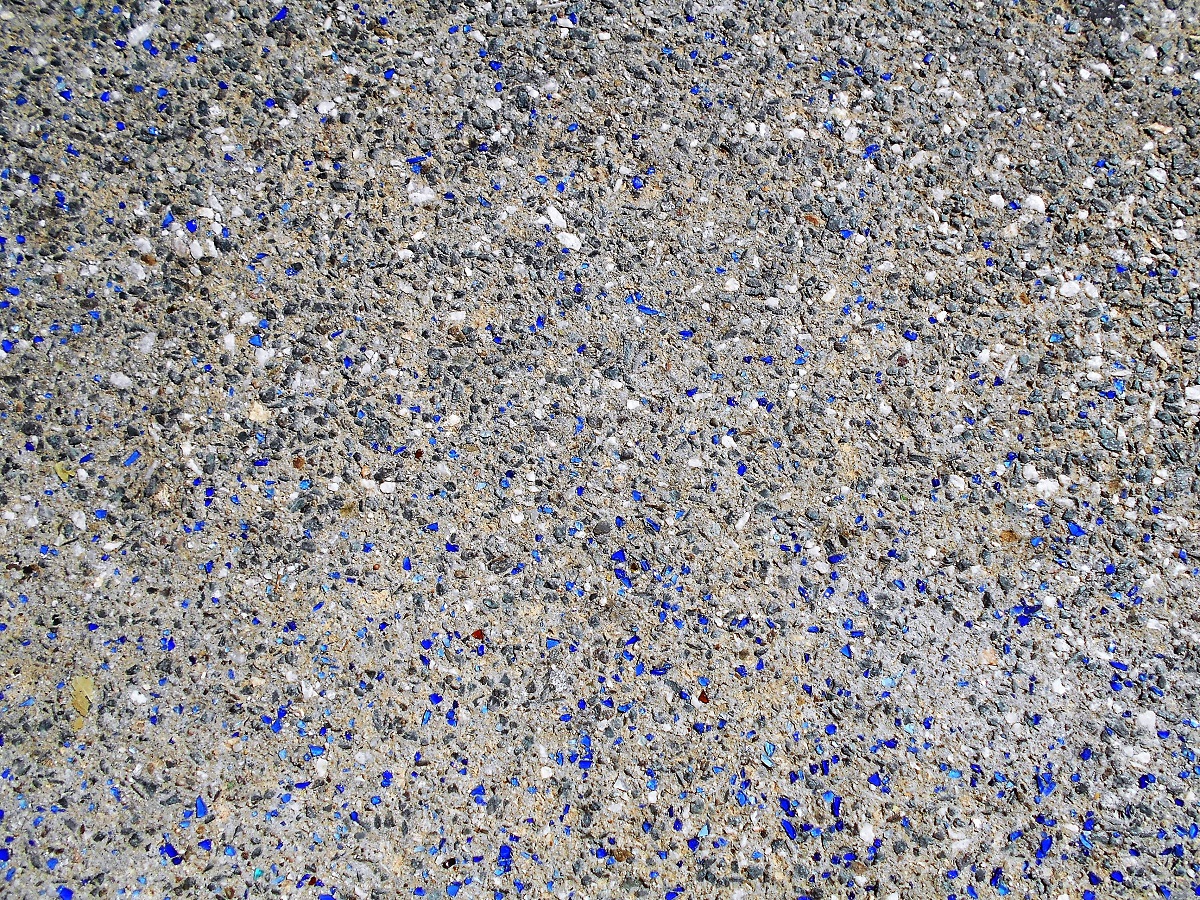
Have you ever wondered why some floors look brand new years after installation, while others quickly show wear and tear? Flake flooring is an ideal choice for high-traffic areas where durability me...
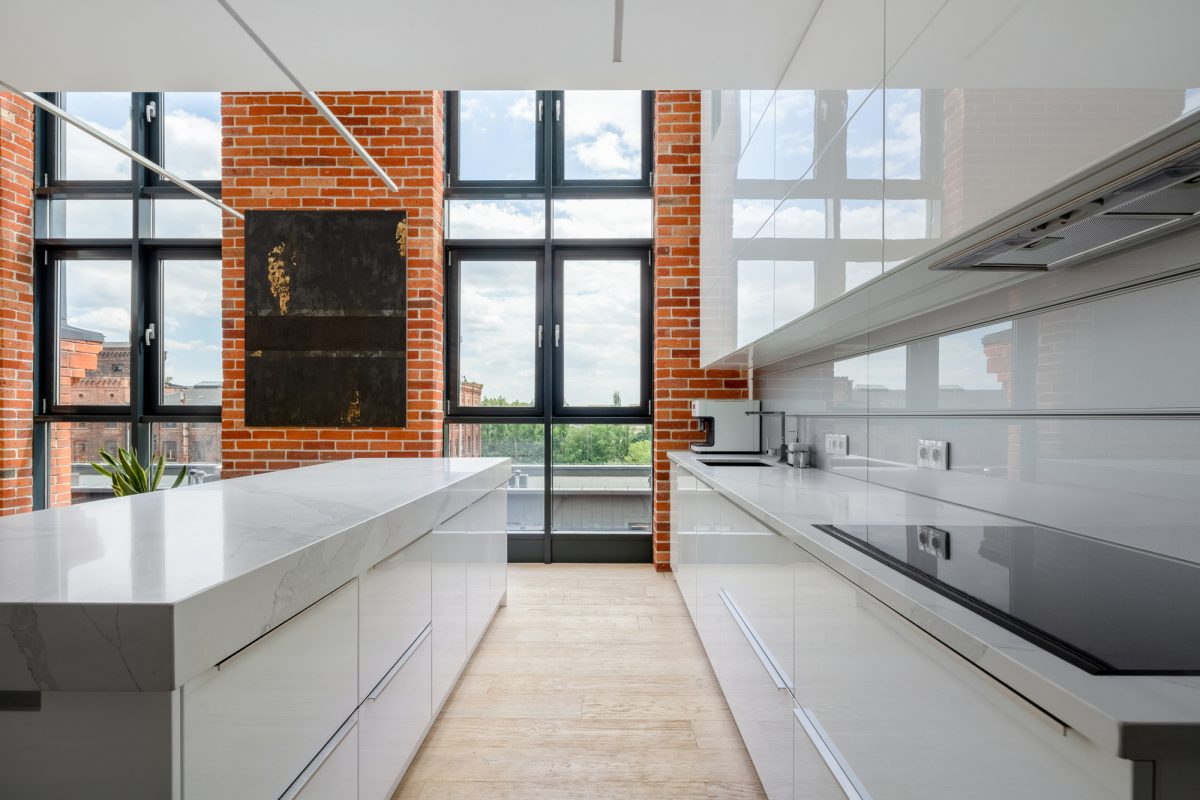
Choosing flooring for kitchens and bathrooms comes down to how well a material handles water, stains, and heavy foot traffic. In New Orleans, add humid air and the occasional storm to that list, wh...