 Turnkey Floorings
  Aug 12, 2025
 Best Flooring Options for High-Traffic Areas
For busy New Orleans homes and businesses, the best high-traffic floors pair real durability with easy cleanup, which is why luxury vinyl plank, porcelain tile, and engineered hardwood lead the lis...

Residential License # 890459
Commercial License # 3667

Opening Hours 9:00 am to 6:00 pm

Talk to an Expert
1. Key Takeaways
2. Understanding Flooring Costs and Quality
3. Affordable Flooring Options to Consider
4. Choosing the Right Flooring for Your Needs
5. Tips for Saving on Flooring Installation
6. Finding the Right Flooring: Balancing Style, Durability, and Budget
Getting the right flooring is about more than looks. It’s a trade-off between cost and durability, and in New Orleans that means weighing humidity and water exposure right alongside price.
Whether you’re remodeling a house or outfitting a commercial building, TurnKey Floorings can help you get the best flooring for your budget without sacrificing quality. A little planning goes a long way. Let’s talk about what works best for your space and budget. Contact us today and start planning your ideal flooring.

Choosing the right flooring means balancing cost, quality, and use. Understanding price, durability, and upkeep helps you make smart choices.
Rates for flooring vary in terms of material supply, manufacturing method, and appearance. Exotic woods such as Brazilian cherry are expensive because they are in demand and have to be imported. Such brands might be more expensive but generally come with a guarantee that offers long-term returns. More complex installations also raise the total price.
Average material and installation costs per square foot:
Durability often mirrors quality. Hardwood, luxury vinyl, and finished concrete generally last longer than their less expensive alternatives. For example, hardwood can be refinished a number of times, extending its life. Inexpensive vinyl or laminate will likely be replaced sooner, but their upfront costs and average lifespan still make them worthwhile.
Long-term flooring costs also include upkeep. Low-maintenance flooring like vinyl and tile reduces daily hassle and repair expenses. Basic tips:
Practical floor coverings like vinyl, laminate, carpet, and tile are a steal in terms of price, longevity, and looks. They each have use in different rooms, varying from high-traffic areas to hushed areas, thus making them intelligent choices both practically and visually.
Vinyl is an inexpensive floor that only costs $0.50 per square foot. It’s also watertight, making it a great choice for the laundry room, kitchen, and bathroom. The peel-and-stick varieties can be easily installed and are even labor-saving. It also comes in wood or stone-pattern designs. Thin vinyl will deteriorate quickly in heavy traffic areas, even though it is durable.
Laminate replicates the appearance of wood for less money. Laminate is priced from $3 to $13 per square foot and is well-suited for active families. Laminate is fade- and scratch-proof, but not in wet spaces like bathrooms and laundry rooms because it’s sensitive to water.
Linoleum is green, long-lasting, and natural. It can endure 40 years on corridor floors and kitchen floors with heavy traffic. It must be sealed lest it cause water damage, and it is priced from $3 to $10 per square meter.
At $1.50 per square foot, carpet is the least expensive option and provides comfort and insulation against heat. Carpet is ideal for bedrooms and low temperatures. The carpet is less stain- and wear-resistant, particularly for homes with pets or heavy traffic. Carpet is more high-maintenance than hard floors.
Polished concrete offers a smooth, industrial look and structure and is ideal for large, clean-cut designs. It ranges from $3 to $12 per square foot and can withstand the beating with minimal maintenance. Although it is not the most comfortable to walk on, its durable structure and minimalist design make it a close second for long-term low cost.
Bamboo ($5 to $15/sq ft) and cork ($3 to $12/sq ft) are good eco-friendly substitutes with good strength. Both of them are strong, similar to hardwood, while cork provides sound and thermal insulation. They are suitable for dry spaces such as the bedroom and office, and appeal to the consumer who is desirous of both appearance and environmental friendliness.
Reclaimed wood provides an old appearance at a cheaper price. It is sustainable and long-lasting, but it needs installation from a professional. Its history and personality make it an excellent, cost-effective option.
Ceramic tile is cheap at $0.50 a square foot, but porcelain is $3 to $30 and will outlast it. Both are water-resistant and have very low maintenance, so they are ideal for kitchens and bathrooms. Ceramics is for budgets of constraint, and porcelain brings style and longevity.

Selecting the right flooring is all about finding a balance between space, lifestyle, style, installation, and budget. Planning selects flooring that is both functional and beautiful.
Busy areas such as entryways or kitchens require tough, scratch-resistant materials such as tile or luxury vinyl. Less busy areas, such as bedrooms or offices, require softer ones, such as carpet or cork.
Families, pet owners, or those who entertain frequently benefit from water-resistant and low-maintenance floors. Vinyl plank, laminate, and tile are excellent for minimizing cleaning time and stress.
From wood-grain look-alike vinyl to striking ceramic stripes, there’s a design style for the flooring to match any theme. Flexible carpet in neutral brings versatility, and shiny concrete and bamboo complement modern themes.
Vinyl and laminate are easy to install for DIY projects. Other materials like sheet vinyl, tile, or hardwood usually need professionals for the best results. Planning for installation costs helps avoid surprises later.
Consider more than just upfront costs. Vinyl and tile are low-maintenance for kitchens and bathrooms. Carpet or laminate suits bedrooms affordably. Hardwood fits living rooms for lasting value. For businesses, durable vinyl or porcelain tile works best. A clear budget avoids surprises.
Saving money on flooring makes sense, but a few items pay for themselves in our climate. The first is what’s under the floor. A moisture test on a slab, a proper vapor barrier, and a flat, sound subfloor protect every material you put on top, and skipping subfloor preparation is one of the fastest ways to turn a bargain floor into a replacement.
The second is water resistance in the right rooms. In kitchens and baths, spend a little more on porcelain tile or waterproof flooring, then save with carpet or laminate in bedrooms. If you’re not sure how much flood risk your address carries, look it up on FEMA’s Flood Map Service Center before you choose.
Finally, ask for quotes that list prep and removal separately so you can compare bids from Kenner to the Northshore on equal terms.
Spend less on floor coverings through DIY-friendly materials like vinyl and laminate, getting multiple quotes from builders, and shopping during holiday sales. Purchasing in bulk, rebates, and financing also cut costs. Ahead-of-time planning becomes more valuable and has fewer surprises.
Choosing the best flooring means thinking about your space, how you live, and what you like. With the right info and a bit of planning, you can pick materials that fit your style and hold up over time without overspending. A well-chosen floor can completely change the look and feel of a room while adding long-term value to your property. Taking the time to compare materials, finishes, and maintenance needs helps you make a choice you’ll feel confident about for years.
At TurnKey Floorings, we’re here to help you explore flooring options that suit your home or business just right. Reach out to us, and let’s find the best floors for your style and budget together.
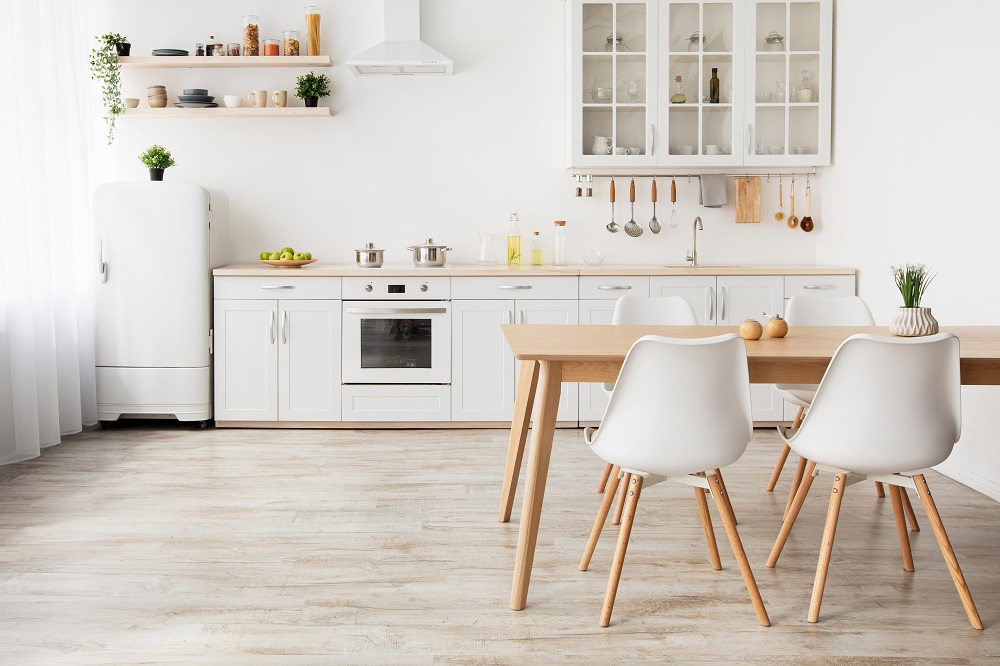
For busy New Orleans homes and businesses, the best high-traffic floors pair real durability with easy cleanup, which is why luxury vinyl plank, porcelain tile, and engineered hardwood lead the lis...
Choosing flooring for high-traffic areas comes down to durability, appearance, and upkeep. Porcelain tile, luxury vinyl, and engineered hardwood resist scratches and clean up easily, which makes th...

Table of Contents Key Takeaways Crafting Your Flooring Budget a. Measure Your Space b. Research Materials c. Factor in Labor d. Account for Prep e. Add a Contingency ...
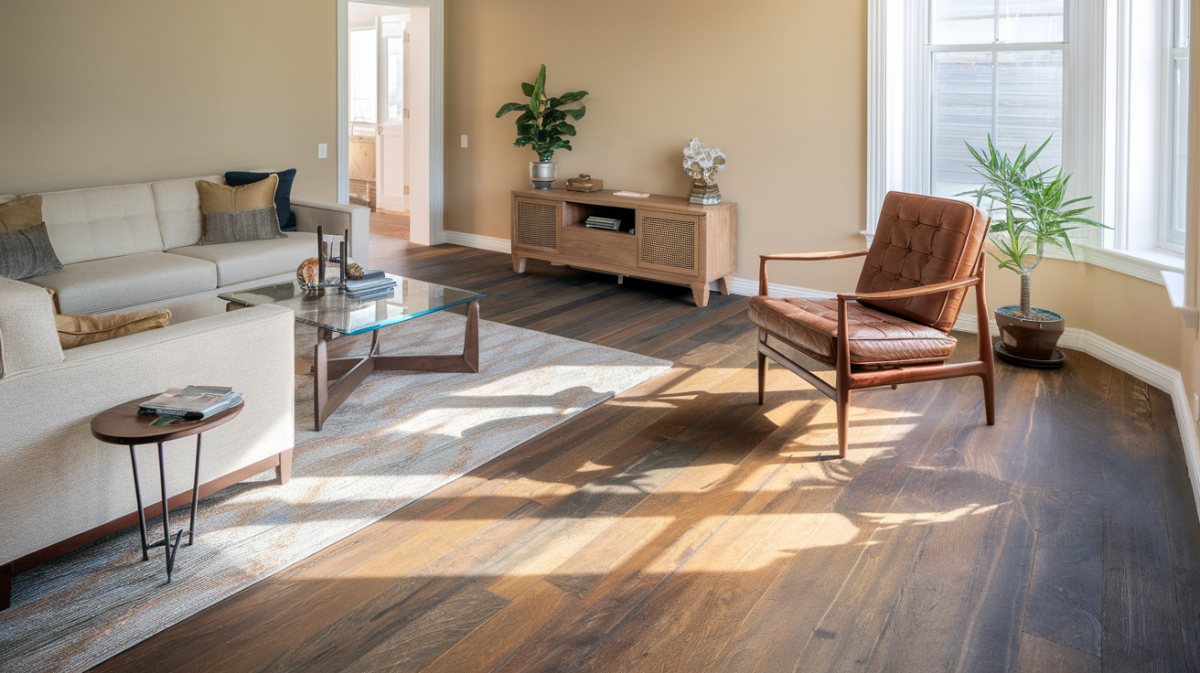
When selecting flooring, weigh cost, quality, and appearance against what the room needs. Foot traffic and moisture levels matter as much as price, especially in New Orleans, where humidity and hea...

Pet owners in New Orleans need flooring that's tough enough for claws and still looks good. Choosing wrong can mean scratches, stains, or constant cleaning, and our humid, rainy weather adds muddy ...
Table of Contents Key Takeaways The Enduring Appeal of Hardwood Flooring a. Timeless Beauty b. Lasting Durability c. Financial Value d. Healthier Homes e. Design Flexibilit...