 Turnkey Floorings
  Oct 8, 2025
 The Top 5 Benefits of Installing Carpet in Your Home
Table of Contents Key Takeaways The 5 Core Carpet Benefits a. Unmatched Comfort b. Natural Soundproofing c. Added Safety d. Design Flexibility e. Cleaner Air Psychol...

Residential License # 890459
Commercial License # 3667

Opening Hours 9:00 am to 6:00 pm

Talk to an Expert
Shotgun houses, one of the most common historic house types in New Orleans, are just one room wide, so the floor does a lot of the visual work. With the right flooring, you can create the illusion of space in small rooms. Light-colored wood, larger tiles, or a diagonal pattern can make a room feel bigger by bouncing more light and leading the eye, and running the same floor from room to room removes visual breaks.
Let our team at TurnKey Floorings help you make a small room feel larger and brighter. Contact us today to explore flooring options that combine style and comfort.

Flooring is one of the biggest means of experiencing and perceiving space. Even in small rooms, it gives much importance. Some techniques and visual tricks can get you into a situation where the sense of scale and expansiveness could be fooled. You can make small spaces feel big and open.
Flooring will do a lot for how we perceive and experience space, even in the smallest rooms. Using all sorts of techniques and visual tricks, you can create the illusion of larger spaces with that openness.
Patterns like diagonal installations can stretch the floor’s appearance, while herringbone designs add depth without overwhelming the space. It is extremely important to avoid complex, cluttered patterns-they invariably create chaos in small areas. Instead, use simplified designs, especially regular patterns, to balance things out.
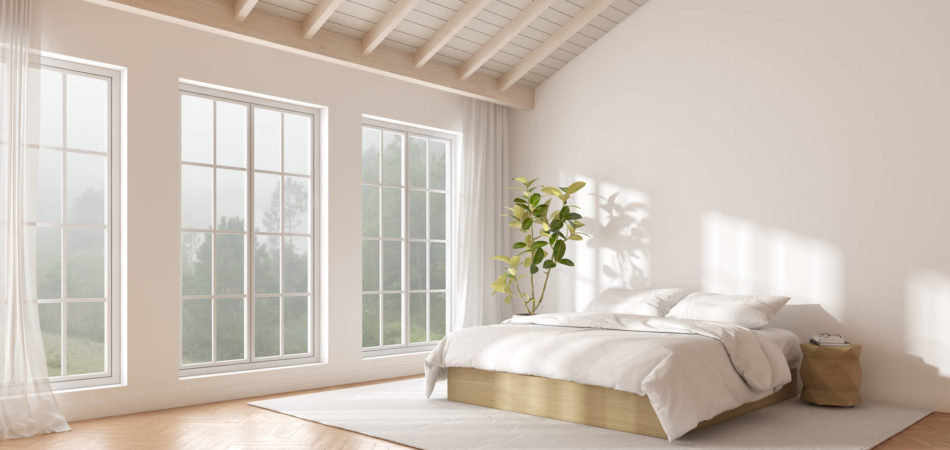
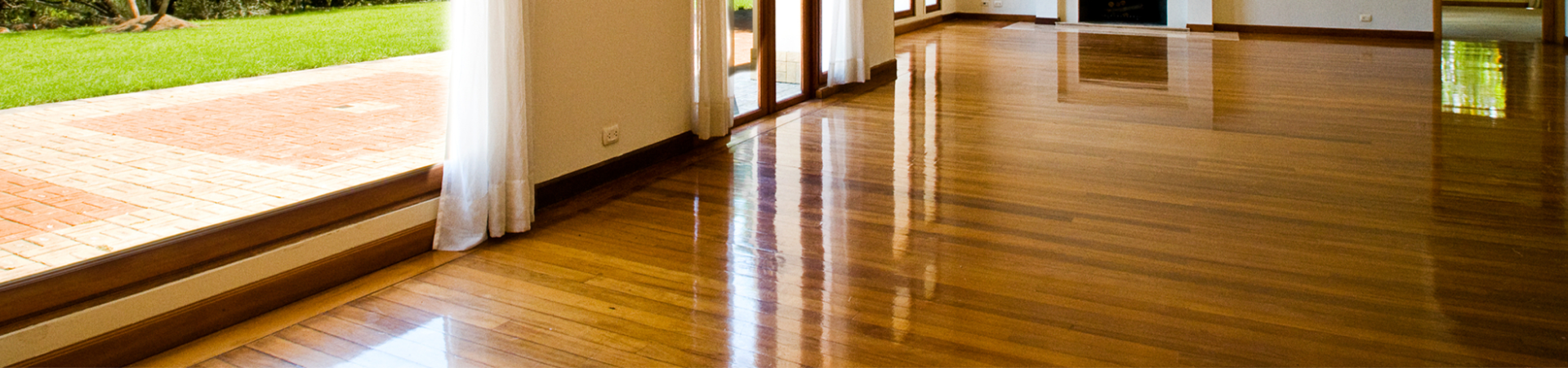
Light finishes like white or pale gray provide an excellent reflection of natural light, giving the illusion of increased airiness in small spaces. Glossy surfaces complement this even more by maximizing the brightness effect in rooms.
Dark flooring absorbs light and makes rooms feel smaller. Pairing light floors with walls painted in the same shades creates a continuous look, making them feel more open. Neutral colors would offer the versatility to work with various styles while keeping the sense of spaciousness intact.
Wider and larger tiles cause the least visual clutter, providing a continuous flow. For example, planks aligned with the longest wall add to the visual elongation of the room, while unfettered flooring across doorways ties the space together. On the contrary, narrow planks or small tiles can sabotage the flow of a room and create feelings of fragmentation.
The area where the flooring is a major factor in whether the room feels spacious or closed in is huge. Smart choice of shades can fool the eye into making what would otherwise be one of the smallest spaces seem airy and expansive.
Light floors, like light oak or pine, and light ash, create an atmosphere of airiness, since they reflect more light. Cream carpets and light laminate floors enhance this effect, especially in bedrooms or living areas. Dark colors, on the other hand, absorb light and can make a space feel very confining. To hold things harmonious, such light flooring should come with even more light furniture, such as white-washed oak with beige pieces.
Cool shades of gray, blue, or taupe create calm, open spaces, ideal for small bathrooms or kitchens. Pairing these floors with light-colored walls enhances the airy, modern feel, making even compact rooms feel fresh and inviting.
Consistent flooring colors across rooms increase flow and make the space feel larger. Any jarring colors disrupt visual continuity and compartmentalize spaces. So, in this case, light oak flooring, for example, throughout the living room and hallway creates smoothly flowing transitions. When flooring shares trim and wall colors, barriers to visual continuity dissolve, presenting a serene minimalist quality.

Flooring choices like plank direction, size, material, and finish greatly affect how spacious a room feels. With the right combination, even small rooms can appear bigger, brighter, and more welcoming.
Plank direction shapes how spacious a room feels. Run planks lengthwise along the longest wall to visually stretch the space, or lay them diagonally for added depth. Avoid random layouts that can make rooms feel cramped or disorganized.
Wider planks or larger tiles minimize grout lines and create a cleaner, more open look. Small tiles or narrow planks can overwhelm compact areas, so keeping the right balance in scale is essential.
Subtle designs such as chevron or herringbone add character without overwhelming. Line defines the directions and enhances the visual flow, while soft textures add depth. Stay away from patterns that are very complex since they may clutter a small area.
Matte finishes tend to absorb glare in well-lit environments and create a subdued aesthetic, while high-gloss finishes are ideal for dimmer areas as they bounce off light. Matching the finish to the lighting creates a more harmonious, open feel.
Light hardwood or luxury vinyl tiles offer strength and an expansive look. Neutral tones like beige or very toned gray are great for flexibility, while lighter tones brighten up a room. The use of similar flooring across all spaces allows for smooth transitions and an open feel.
In a shotgun house, rooms line up one behind the next, usually without a hallway, so every doorway can break up the view. Run planks front to back through those openings, and use low-profile transitions or none at all, so your eye can travel the full length of the house.
If your home has tall ceilings and big windows, pair that daylight with a lighter floor and a small room reads as airy instead of boxy. Original wood floors don’t have to be replaced to get there. Hardwood floor refinishing with a lighter stain or a clear finish can brighten the boards you already have.
In a newer open-plan home, whether in Harahan or on the Northshore, the goal shifts to keeping one floor running through the kitchen and living areas. A water-resistant luxury vinyl can handle kitchen spills and still flow into the living room without a break.
Flooring plays a big part in how spacious your home feels. Light colors, wider planks, and continuous patterns can turn even the smallest rooms into bright, open spaces.
Choosing the right flooring is about balancing beauty and practicality, creating a home that feels both stylish and comfortable. We at TurnKey Floorings are here to help you bring that vision to life. Call us today, and let’s create a space that feels bigger, brighter, and perfectly you.
Table of Contents Key Takeaways The 5 Core Carpet Benefits a. Unmatched Comfort b. Natural Soundproofing c. Added Safety d. Design Flexibility e. Cleaner Air Psychol...

Choosing the right flooring for your home means balancing looks with function in every room. You can pick anything from traditional hardwood to modern vinyl and tile, and each brings its own advant...

Many homeowners are planning to update their flooring. The industry keeps changing, with fresh materials, bold designs, and eco-friendly options setting the tone. In New Orleans, where homes range ...

Pet owners in New Orleans need flooring that's tough enough for claws and still looks good. Choosing wrong can mean scratches, stains, or constant cleaning, and our humid, rainy weather adds muddy ...

Laminate flooring is a stylish, affordable, and durable option for homeowners. It's easy to install and cost-effective for home upgrades. In New Orleans, the key is choosing a water-resistant core ...
Table of Contents 1. Key Takeaways 2. Understanding Flooring Costs and Quality a. How Pricing and Quality Align b. Why Durability Matters c. Maintenance and Its Impact on Costs 3....