 Turnkey Floorings
  Jul 9, 2025
 How to Budget for Your Flooring Project and Avoid Surprises
Table of Contents Key Takeaways Crafting Your Flooring Budget a. Measure Your Space b. Research Materials c. Factor in Labor d. Account for Prep e. Add a Contingency ...

Residential License # 890459
Commercial License # 3667

Opening Hours 9:00 am to 6:00 pm

Talk to an Expert
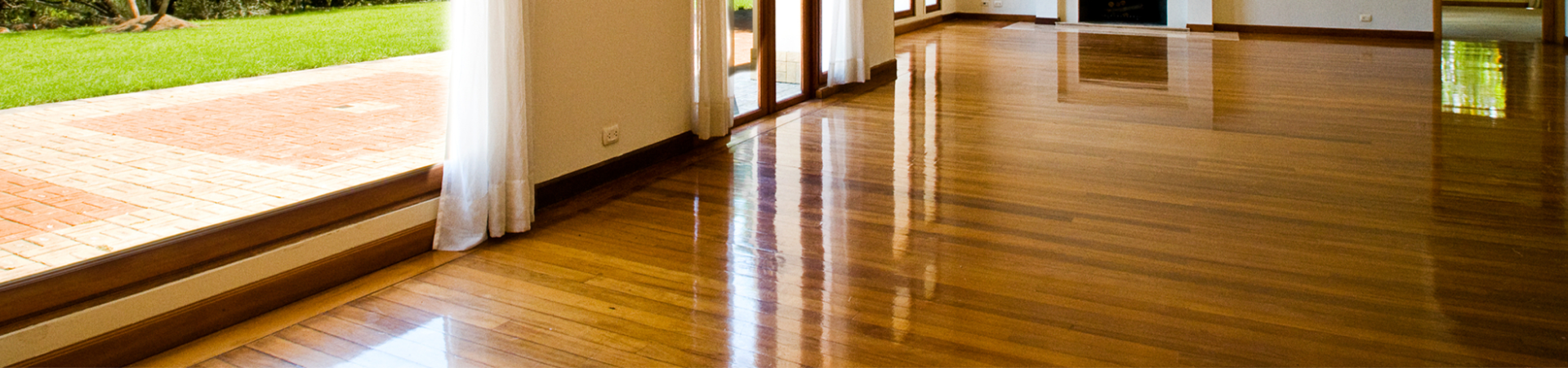
When selecting flooring, weigh cost, quality, and appearance against what the room needs. Foot traffic and moisture levels matter as much as price, especially in New Orleans, where humidity and heavy rain can shorten the life of the wrong floor. Hardwood gives a timeless look, vinyl costs less, and laminate and carpet can also fit a tight budget. TurnKey Floorings can help, so contact us for a free consultation to upgrade your home or business with stylish, durable flooring!
Before choosing flooring, assess your budget. Consider costs for materials, installation, maintenance, and future expenses to prevent stress. For instance, vinyl costs around $3.42 per square foot, while hardwood is priced between $8 and $14. Don’t forget to factor in installation and extras like underlayment. DIY can save money, but make sure you have the right skills and tools.
Using samples can help with your decision. A solid budget keeps you from overspending and allows for durable choices: vinyl is affordable and long-lasting, while hardwood can boost your home’s resale value. Planning helps avoid surprise costs, like replacing the subfloor.
Choose wisely: vinyl is budget-friendly, and hardwood offers a premium look. Installation methods and room sizes can also impact costs, so look for seasonal discounts to save money.
It isn’t hard on the pocket but doesn’t compromise on quality and style. Such options abound both in durability as well as great looks, depending on your purse. Let’s look at choices, their pluses, how much they cost, and where to best install them.
Vinyl flooring is relatively cheap. On average, vinyl ranges from around $1-$4 per square foot. Vinyl can be water-resistant, ideal for bathrooms and kitchens, and lasts for 25 years if well-maintained while having the appearance of real wood without costing as much.
DIY costs are brought down as peel-and-stick tiles are installed easily. There are many different patterns of vinyl; looks can even mimic costlier materials like stone or ceramic. This makes it super versatile in homes and offices.
Laminate flooring is the most affordable choice for a hardwood alternative; it costs between $3 and $13 per square foot, not considering the installation. Its laminated structure does not easily get scratched, which makes it excellent for rooms with much foot traffic.
Homeowners appreciate its wood-like appearance and resistance to wear and tear. It is less water-resistant, however, than vinyl flooring. Therefore, it works better in living rooms, bedrooms, and hallways. The advantages are that it is affordable, easy to maintain, and has a wide range of styles. Its disadvantages are that it is not very water-resistant and does not last as long as vinyl.
Eco-friendly flooring includes linoleum. Linseed oil and cork dust are a must for setting up linoleum on the floor. Its installation cost varies between $2 and $5 per square foot. It’s strong, can withstand heavy foot traffic, and requires minimal maintenance. Linoleum provides different colors and patterns that bring a warm touch to modern and traditional homes. The above-mentioned aspects attract an environmentally conscious buyer.
Carpet is an affordable and warm flooring option, with basic types starting at around $1 per square foot. Mid-range carpets are more durable and resistant to stains. When choosing a budget carpet, look for pile height, material, and backing; nylon and polyester are both strong and affordable. Carpet tiles, priced between $2 and $8 per square foot, offer flexibility and easy replacement to help manage costs.
Polished concrete flooring is cost-effective and requires minimal maintenance, priced at approximately $3 per square foot. They are also very long-lasting and elegant, fitting perfectly in contemporary rooms. It can also be stained, patterned, or embedded with material, making it perfect for an open-concept environment.
Ceramic and porcelain tiles are excellent flooring options in the house, as they are strong, lasting, and attractive. Ceramic is also budget-friendly, which ranges from $0.50 to $7 per square foot, and can be like wood. Porcelain tiles start at $3 per square foot and are denser, and good for wet areas. Both have slip-resistant finishes; hence, they are perfect for the bathroom and kitchen and for modern and traditional styles.
The bamboo flooring is considered an environmentally friendly and cost-effective option, falling within the range of $5 and $12 per square foot. Its renewing nature makes it suitable for greenhouses and is as durable as hardwood. With finishes ranging from natural to dark stained, the bamboo flooring offers a classical touch to rooms and bedrooms.
Cork flooring runs around $5 per square foot. It has a soft, warm feel beneath your feet to walk on. It can absorb sound well, making it excellent for bedrooms and home offices. Environmentally friendly, very low maintenance, and typically only requires sweeping or mopping, this flooring fits any style of interior from light to dark finishes.
Reclaimed hardwood is very cost-effective, yet gives a unique character to your floors. It is often cheaper than new hardwood and gives a rugged look. Due to its eco-friendly properties, it’s an ideal option for vintage styles; however, make sure that the wood is well crafted and treated to prevent pest and rot infestations.
Epoxy flooring provides stylish choices for houses with a price range of $3 to $12 per square foot. Durable, resistant to stains, easy to maintain, and comes in glossy finishes that can have metallic accents or patterns in different styles, from modern to bohemian, that make it suitable for garages, workshops, and laundry rooms.
Choosing the right flooring for your home or office can be easier if you think about the room’s purpose, style, installation needs, and budget. Here are some tips for finding affordable options:
A realistic budget here includes a few costs that can surprise people who moved from a drier place. On a slab, a moisture test plus a vapor barrier or moisture-rated adhesive can add to the price of vinyl, laminate, or wood. In an older raised home, a soft or uneven subfloor may need floor leveling or repair before anything new goes down.
Your address matters too. Look up your flood zone on FEMA’s Flood Map Service Center. If a ground-floor room has real flood risk, putting more of the budget into tile or waterproof vinyl there and less into carpet can save money over time.
Get written quotes that break out prep work separately so you can compare them line by line. Whether you’re in Slidell or St. Rose, a flooring installation estimate that spells out prep up front is easier to trust.
When selecting affordable flooring, focus on style, durability, and practicality. Options like laminate, vinyl, and carpet are budget-friendly, while hardwood and tile offer a more upscale appearance. Keep in mind hidden costs such as installation and maintenance; proper care can extend the life of your flooring and save you money. Thoughtful choices can improve your space and boost property value. For personalized guidance, consult a flooring expert. Check out Turn Key Floorings for quality options and schedule your free in-home consultation today to create your dream home!

Table of Contents Key Takeaways Crafting Your Flooring Budget a. Measure Your Space b. Research Materials c. Factor in Labor d. Account for Prep e. Add a Contingency ...
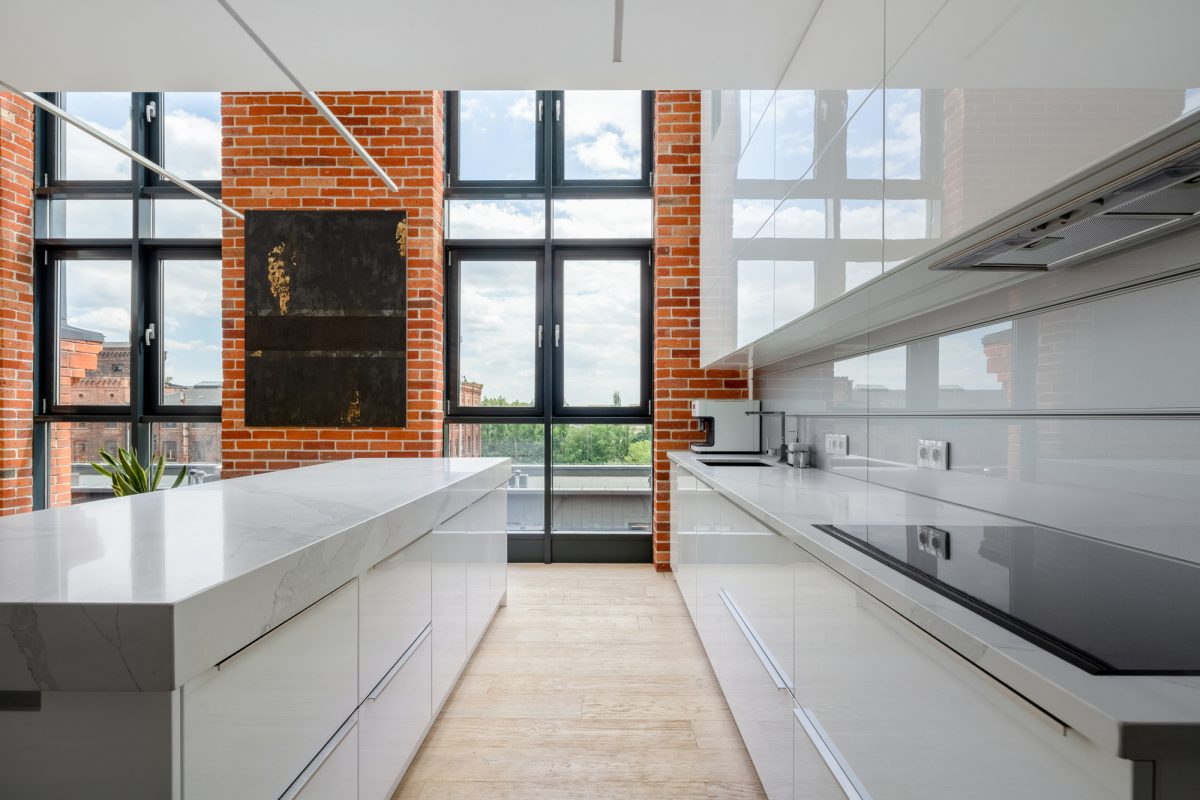
Choosing flooring for kitchens and bathrooms comes down to how well a material handles water, stains, and heavy foot traffic. In New Orleans, add humid air and the occasional storm to that list, wh...
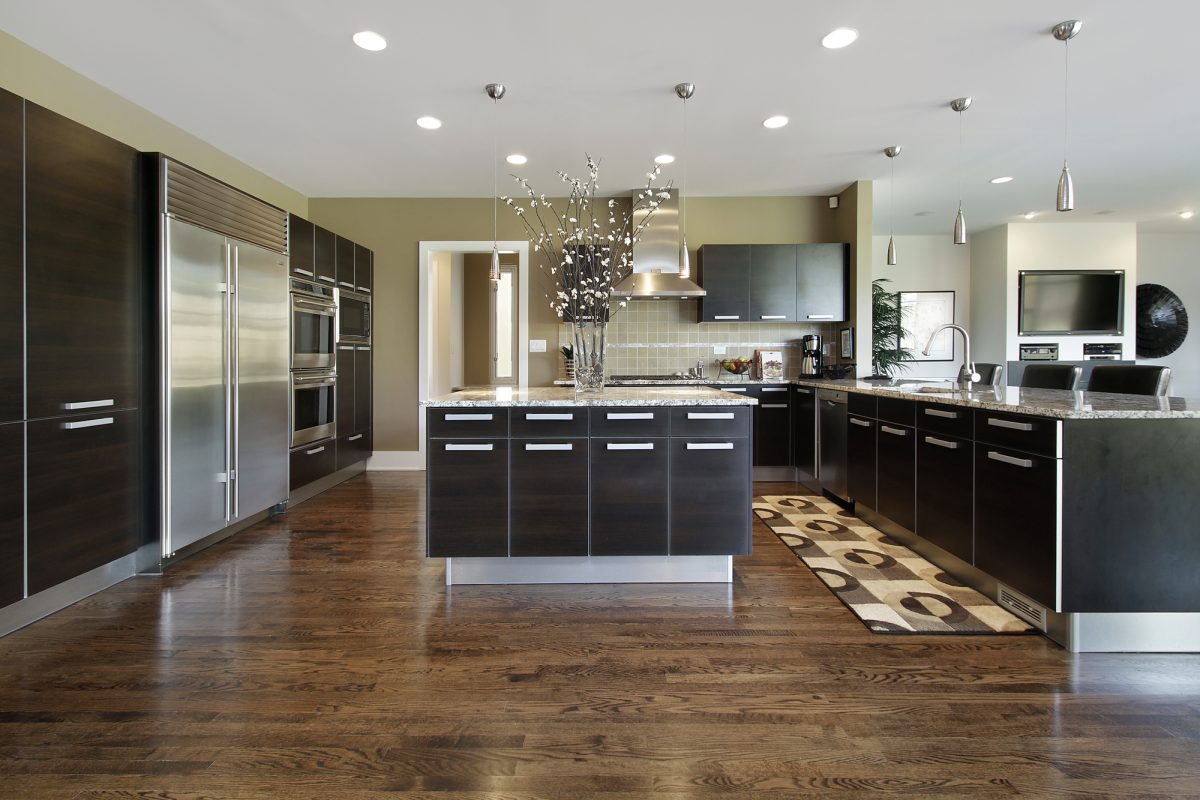
Flooring that suits your home's design balances beauty, strength, and the way you live. Hardwood adds warmth, tile brings classic elegance, and vinyl offers low-maintenance versatility. In New Orle...
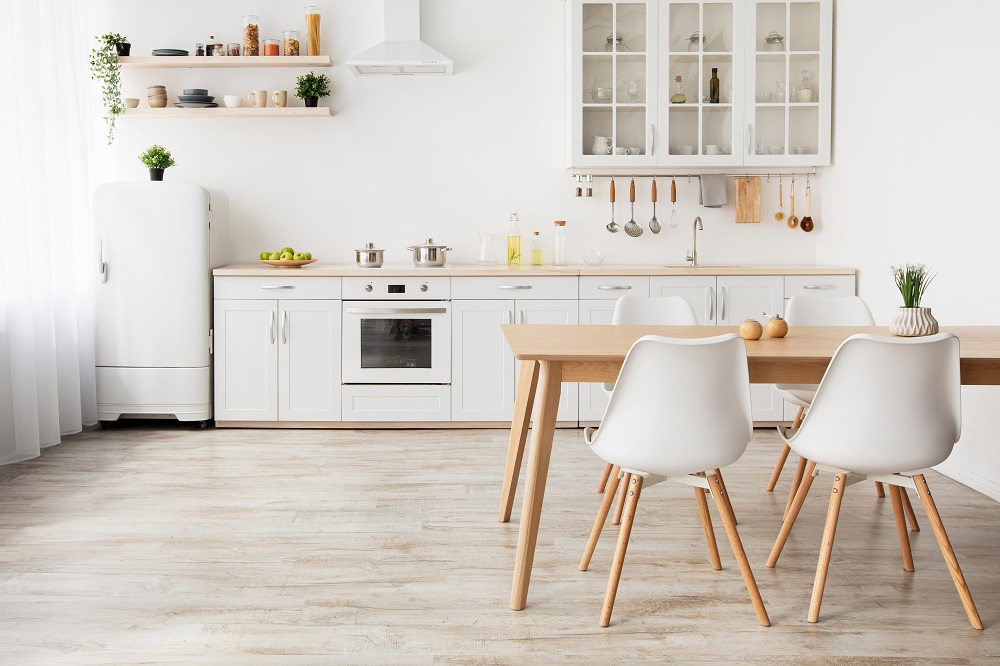
For busy New Orleans homes and businesses, the best high-traffic floors pair real durability with easy cleanup, which is why luxury vinyl plank, porcelain tile, and engineered hardwood lead the lis...
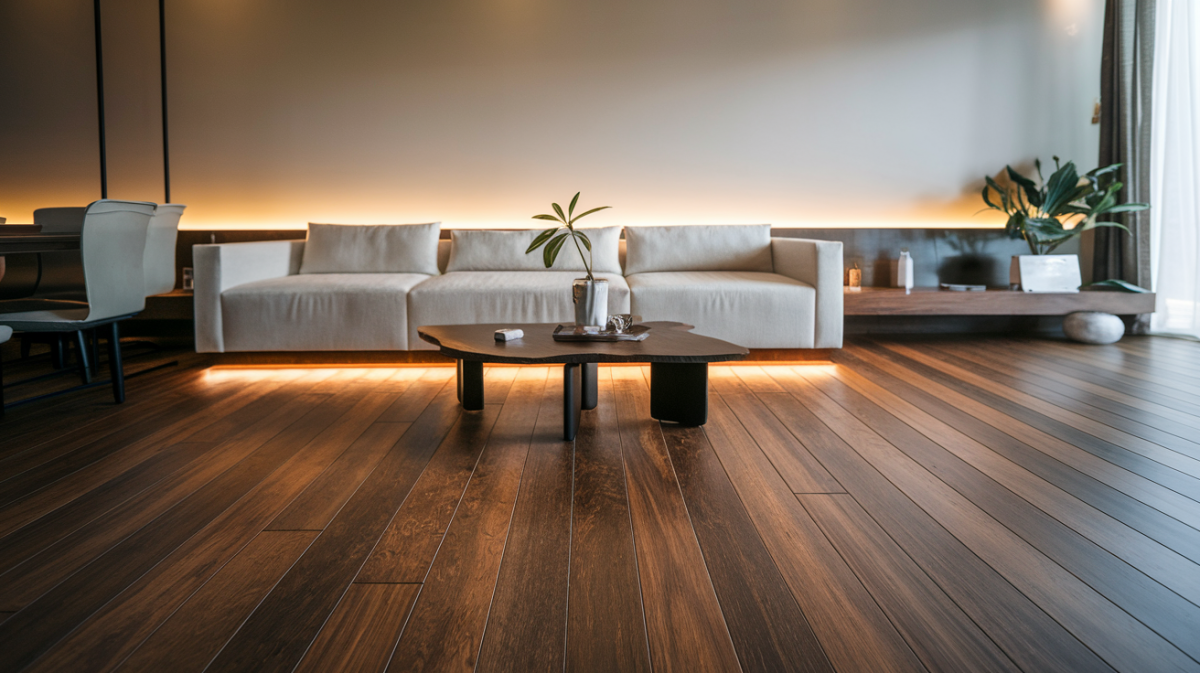
Engineered wood flooring is an excellent choice for homeowners who want the beauty of wood with less worry about warping or moisture damage. That stability matters in New Orleans, where humid summe...
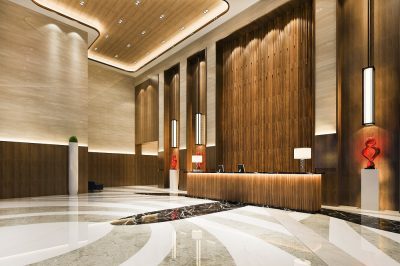
Flooring shapes the ambiance of a hotel. It does more than give guests a surface to walk on. It sets the tone for the whole building, and in a hospitality town like New Orleans, first impressions i...