Table of Contents
1. Key Takeaways
2. How Flooring Boosts Curb Appeal
- a. Creates First Impression
- b. Defines Outdoor Spaces
- c. Guides The Eye
- d. Unifies Architecture
- e. Adds Textural Depth
3. Choose Your Foundation Material
- Natural Stone
- Concrete Pavers
- Wood & Composites
- Poured Concrete
- Outdoor Tile
4. Master Flooring Design Principles
- Color Psychology
- Pattern & Scale
- Style Harmony
5. Add Curb Appeal to Your Home
Landscaping solutions like natural stone, textured concrete, or composite decking can serve as loud invitations for pathways, patios, or porches, provisions that increase their curb appeal. Clever color, texture, and layout selections can enhance the architecture and landscaping.
At TurnKey Floorings, we offer the best flooring for your home, ensuring both beauty and durability. Contact us anytime to explore your options and bring your vision to life.
Key Takeaways
- Flooring plays a crucial role in enhancing your home’s curb appeal by creating a cohesive exterior design and making a lasting first impression.
- Carefully selected flooring, whether natural stone, wood, or concrete, can enhance your home’s architectural character while providing both durability and beauty.
- Utilize flooring to delineate outdoor areas, direct attention to focal points, and create a seamless transition from inside to outside.
- Use textures, patterns, and colors strategically to introduce depth, visual interest, and harmony to your home’s exterior.
- Think about durability and weather resistance when choosing your outdoor flooring.
- Learn design principles like color psychology, pattern balance, and style consistency to enhance your flooring design and make a memorable impression.
How Flooring Boosts Curb Appeal

Putting the right floors under your feet can make your whole house more attractive, more functional, and much more value-added. Flooring is definitely part of the functioning pieces of a home, but it also makes quite a design statement with the potential for a bold first impression. Here’s how flooring drives curb appeal.
1. Creates First Impression
For warm, friendly curb appeal, the siding materials speak to the household’s identity. For example, smooth stone tiles or polished concrete are able to convey such fresh, modern appearances. Mosaic tiles can bring espresso colors, bold patterns, or color-contrasted varieties to your entryway.
Lighting is equally important. Properly positioned lights will enhance the floor texture or pattern while improving safety and aesthetic value. Combined with a well-maintained surface, this keeps your entry a focal point.
2. Defines Outdoor Spaces
Simply put, flooring adds to curb appeal because it shapes outdoor usable space, defining patios, walkways, and gardens. Contrasting textures are excellent. For example, a cobblestone path that converts to a wooden deck helps to establish these boundaries. Sophisticated flair is subjected to borders and edges, like brick pavers.
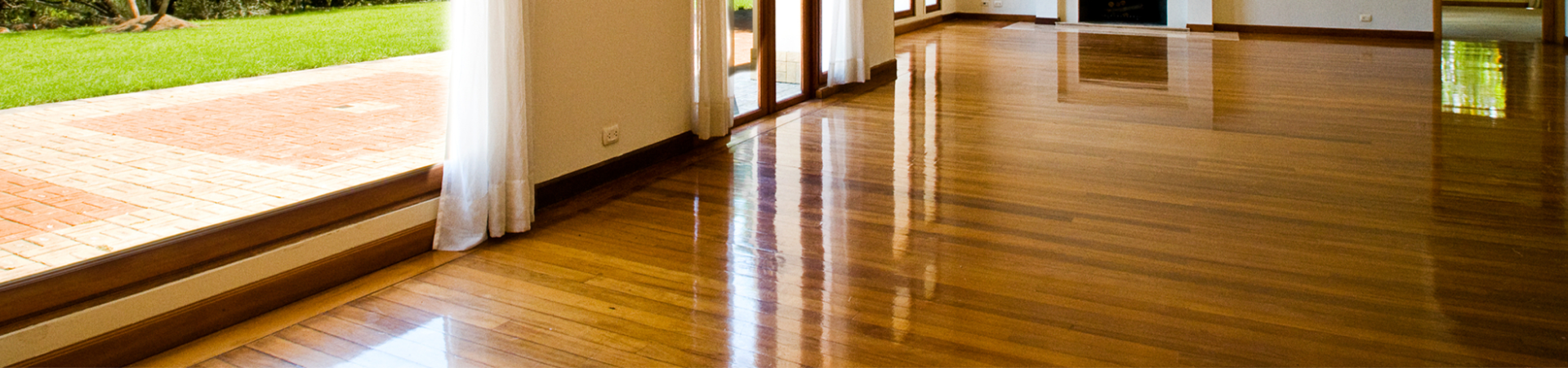
Indoor-outdoor flooring continuity, like extending hardwood or luxury vinyl through to the patio, enhances the sense of unity and size.
3. Guides The Eye
Basically, any lines become pathways that draw the eye naturally to the front door. Be it with brick or stamped concrete with directional designs, this feature can be used to gently guide visitors. Accent the matching flooring with landscaping: this can be something like a stone path accented by flower beds, which pulls the view together. Distinctive patterns around a porch or foyer may give the eye something to focus on.
4. Unifies Architecture
That means a good relationship between the flooring and architecture as well. That means that the same materials used for trim or siding would be in harmony. For example, together tied by the facade are neutral-toned tiles and slate on the rooftop. Uniform palettes prove attractive to maintain the symmetry evenly, which becomes more beautiful.
5. Adds Textural Depth
Textured flooring materials bring dimensions because of their stone or reclaimed wood form. The sharp contrast of polished concrete and gravel gives dimension but keeps things balanced. It has its own kind of sophistication in the natural patterns, like that of veined marble.
Choose Your Foundation Material
Once you see how flooring shapes your home’s look, the next step is picking the right foundation material. It should match your home’s style, hold up to daily use, and handle the weather—all while keeping maintenance simple and costs reasonable.
Natural Stone
Natural stone gives a timeless beauty and also increases the price of the property. Slate, granite, or limestone furnish personality with their unique textures and colors, blending with nature. Installation costs, however, run into long durations as well, lasting anywhere from over 50 years.
Concrete Pavers
The major benefits of concrete pavers are versatility, low cost, and the possibility of use even in an extremely pedestrian area. They come in various shapes and colors to fashion imaginative patterns; they are durable because they do not crack and can be directly replaced in the event of damage.
Wood and Composites
Wood and composite materials add a warming element to porches. Treated wood and weather-resistant composite woods will stand up to moisture for an excellent natural look. Staining or sealing is necessary for their upkeep, but it is hard to duplicate.
Poured Concrete
Poured concrete offers that modern, minimal seams look, as well. While it can mimic stone or brick with stains or textures, it is reputed for its strength and low maintenance for a minimalist style.
Outdoor Tile
Outdoor tiles set off a highly recognizable and classy finish. Using bold designs or colors can enhance even this space, but requires a contractor for installation.
Master Flooring Design Principles
A thoughtful flooring design can elevate your home’s look and reflect your personal style. Using essential design principles helps create a cohesive, welcoming, and timeless exterior.
Match your flooring colors to your desired aesthetic. Warm earth tones create coziness, neutrals offer versatility, and blues or greens add vibrance. Choose shades that complement your home’s exterior for a cohesive look.
Patterns bring character to outdoor spaces. Wide planks or large tiles suit bigger areas for a clean look, while smaller spaces shine with herringbone or chevron designs. Match pattern complexity with your home’s style, simple for minimalist spaces, bold for traditional ones.
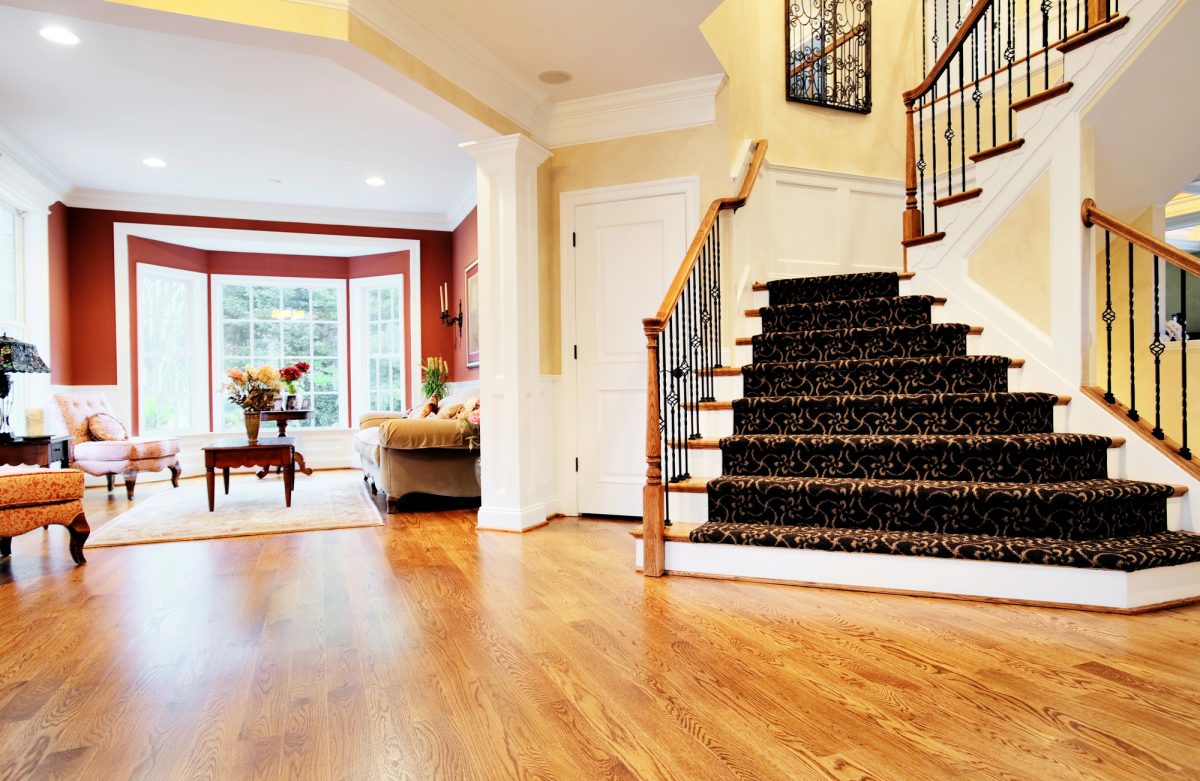
The flooring should therefore be compatible with the architectural style of your home. A more rustic look is given to hardwoods for farmhouse design, but very sleek porcelain tiles are what suit modern design. Consistent indoor and outdoor flooring enhances visual flow and design harmony.
Add Curb Appeal to Your Home
Flooring establishes your style, adds value, and gives a warm welcome when one steps in. From more durable wood to sleek tiles or rustic stone, every flooring option adds its own touch to curb appeal. Therefore, it is important to pay attention to design details, such as color, texture, and even patterns.
Simple improvements, such as clean edges and uniform finishes, can transform looks. A well-planned floor is an investment in your home’s appeal. Contact us today at TurnKey Floorings to start your design journey!


 Turnkey Floorings
  Nov 4, 2025