 Turnkey Floorings
  Feb 16, 2026
 How to Use Flooring to Boost Your Home’s Curb Appeal
Table of Contents 1. Key Takeaways 2. How Flooring Boosts Curb Appeal a. Creates First Impression b. Defines Outdoor Spaces c. Guides The Eye d. Unifies Architecture e. Adds Te...

Residential License # 890459
Commercial License # 3667

Opening Hours 9:00 am to 6:00 pm

Talk to an Expert
The best flooring for high-traffic areas balances extreme durability, moisture resistance, and ease of maintenance, with Luxury Vinyl Plank (LVP), Porcelain Tile, and Laminate being top contenders.
The best flooring for high-traffic areas balances durability, low maintenance, and visual appeal. Porcelain tile, luxury vinyl plank (LVP), and engineered hardwood top the list for their scratch resistance, strength under heavy foot traffic, and easy cleanup.
At TurnKey Floorings, we help homeowners and business owners across New Orleans match the right material to every room. Gulf Coast humidity and constant foot traffic can cause the wrong flooring to buckle, stain, or wear out fast.
Contact us today for a free estimate and expert guidance on choosing the right option for your space.
High-traffic flooring must resist scratches, stains, and moisture while maintaining its appearance over years of daily use. Several factors separate materials that last from those that wear out prematurely.
Flooring in hallways, kitchens, entryways, and commercial lobbies faces constant foot traffic, furniture movement, and spills. Materials like porcelain tile and luxury vinyl are engineered to handle this kind of abuse without showing wear. Porcelain tile, for example, can last 50 to 100 years with proper installation and maintenance, while quality LVP typically lasts 15 to 25 years.
Busy homes and businesses need flooring that stays clean with simple sweeping and occasional mopping. Tile and vinyl both meet this standard, while hardwood may need periodic refinishing and protective coatings to stay in top condition.
Slip resistance is a safety concern in any high-traffic space, particularly in kitchens, bathrooms, and entryways that get wet. Flooring products are tested using the Dynamic Coefficient of Friction (DCOF), with a rating of 0.42 or higher considered slip-resistant for wet interior surfaces under the ANSI A137.1 standard. Textured tile and slip-rated vinyl perform well in these areas.
Cork, padded vinyl, and carpet tiles provide cushioning that reduces fatigue in spaces where people stand for long periods. Hard surfaces like tile and concrete can be paired with area rugs for added comfort.
Not every flooring material is suited for heavy use. The options below offer the best combination of longevity, style, and performance for busy residential and commercial spaces.
LVP and LVT are among the most popular choices for high-traffic areas, and for good reason. These products are fully waterproof, scratch-resistant, and available in designs that closely mimic the look of hardwood or natural stone. Many styles feature click-lock installation, which reduces labor costs and speeds up the process.
Quality luxury vinyl with a wear layer of 20 mils or thicker can last 15 to 25 years in residential settings. This makes it a practical choice for kitchens, bathrooms, and entryways where moisture exposure is common. Vinyl is also softer underfoot than tile or concrete, adding a layer of comfort in spaces where people stand frequently.
Tile flooring delivers exceptional longevity in high-traffic environments. Porcelain tile, fired at higher temperatures than ceramic, produces a denser product with lower water absorption. With proper care, porcelain tile can last 50 years or more, and ceramic tile typically provides 20 to 50 years of service depending on the grade.
Tile products are rated on the Porcelain Enamel Institute (PEI) scale from 1 to 5. For high-traffic residential areas, a PEI rating of 3 works well. Commercial spaces with heavier foot traffic should use tiles rated PEI 4 or 5. Individual tiles are also easy to replace if one cracks or chips, keeping long-term repair costs low.
Engineered hardwood combines the natural beauty of real wood with a multi-layer construction that resists warping from humidity changes. This makes it a better fit for the New Orleans climate than solid hardwood, which can expand and contract with moisture swings.
A floating floor installation system makes the process fast and straightforward. Aluminum oxide finishes on the wear layer add scratch and stain resistance for daily use. Engineered hardwood generally needs refinishing every 7 to 10 years, though the number of times it can be sanded and refinished depends on the wear layer thickness.
Products with a 2mm to 3mm veneer can handle one to three refinishes, while a wear layer of 4mm or more can typically support three to five over the floor’s lifespan.
Laminate offers an affordable alternative with strong scratch, stain, and fade resistance. Available in patterns that replicate wood and stone, laminate suits a wide range of interior styles. Maintenance is simple: regular sweeping and occasional damp mopping keep it looking fresh.
Laminate works best in dry, high-traffic areas like living rooms, hallways, and bedrooms. It is not waterproof, so it is not the best fit for bathrooms or kitchens where standing water is a risk.
Rubber flooring provides a slip-resistant, cushioned surface that handles heavy use and impact. Its non-porous surface resists stains and moisture, making cleanup easy. Gyms, playrooms, and commercial kitchens benefit from rubber’s combination of durability and comfort.
Polished concrete is a low-maintenance option for basements, garages, and workshops. It only needs occasional sealing and sweeping to stay in good condition. Stained and textured concrete finishes offer a modern look that works well in both residential and commercial settings. Concrete also resists moisture and spills, adding to its practicality in utility spaces.
Different rooms have different demands. Matching the flooring material to each space helps the floor perform well and last longer.
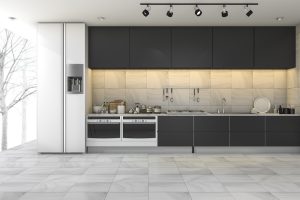 Entryways and hallways take the most abuse from foot traffic, dirt, and moisture tracked in from outdoors. Porcelain tile and LVT are strong choices here because they resist scratching and clean up easily. Adding a mat or rug near the door helps catch dirt before it reaches the floor.
Selecting the right flooring for high-traffic areas comes down to matching the material’s strengths to each room’s specific needs. The right choice improves the look, comfort, and value of your home or business for years to come.
TurnKey Floorings provides free flooring consultations for homeowners and business owners throughout New Orleans, Metairie, Kenner, Baton Rouge, and surrounding areas. Call us today to schedule your free estimate and find the perfect flooring for your space.
Porcelain tile is one of the most durable options, with a potential lifespan of 50 years or more when properly installed and maintained. Luxury vinyl plank is another strong performer, lasting 15 to 25 years with good resistance to scratches, stains, and moisture.
LVP is fully waterproof and resists stains, making it well-suited for kitchens and bathrooms. Products with a wear layer of 20 mils or more offer the best durability in these moisture-prone areas.
Engineered hardwood typically needs refinishing every 7 to 10 years, depending on foot traffic and wear. The number of refinishes it can support depends on the wear layer thickness. Products with a 2mm to 3mm veneer can be sanded and refinished one to three times, while those with a 4mm or thicker veneer can handle three to five refinishes over the floor’s lifespan.
The Porcelain Enamel Institute (PEI) rates tile abrasion resistance on a scale of 1 to 5. Commercial spaces with heavy foot traffic should use tiles rated PEI 4 or 5. Residential high-traffic areas like kitchens and hallways generally perform well with a PEI rating of 3.
Standard laminate is not waterproof and can swell or warp if exposed to standing water. Bathrooms are better served by porcelain tile, luxury vinyl, or rubber flooring, all of which handle moisture without damage.
DCOF stands for Dynamic Coefficient of Friction, which measures how slip-resistant a floor surface is when wet. Under the ANSI A137.1 standard, hard surface flooring intended for wet interior areas should have a minimum wet DCOF of 0.42. Higher values indicate greater slip resistance, which is especially relevant for bathrooms, kitchens, and entryways.
Ceramic tile generally lasts 20 to 50 years depending on the grade and level of maintenance. Porcelain tile is denser and less porous, giving it a longer expected lifespan of 50 years or more. Both types are easy to repair since individual damaged tiles can be replaced without redoing the entire floor.
Aluminum oxide is a naturally occurring mineral that is ground into a fine powder and added to urethane floor finishes. It creates a hard, scratch-resistant protective layer on the surface of engineered hardwood and laminate flooring. This finish helps the floor resist scuffs, stains, and UV fading, reducing the frequency of refinishing.
Rubber flooring provides a slip-resistant, cushioned surface that absorbs impact and reduces noise. Its non-porous surface resists moisture and stains, making it easy to clean after workouts. These qualities make rubber a popular choice for home gyms, playrooms, and commercial fitness centers.
The Gulf Coast climate brings high humidity levels that can cause solid hardwood to expand, warp, or cup over time. Engineered hardwood, luxury vinyl, porcelain tile, and concrete are all better suited for humid environments because they resist moisture-related damage. Proper subfloor preparation and acclimation of materials before installation also help prevent issues.
Table of Contents 1. Key Takeaways 2. How Flooring Boosts Curb Appeal a. Creates First Impression b. Defines Outdoor Spaces c. Guides The Eye d. Unifies Architecture e. Adds Te...
Table of Contents Key Takeaways The Enduring Appeal of Hardwood Flooring a. Timeless Beauty b. Lasting Durability c. Financial Value d. Healthier Homes e. Design Flexibilit...

By 2025, nearly 60% of homeowners plan to update their flooring. The flooring industry is evolving rapidly, with fresh materials, bold designs, and eco-friendly options setting the tone. As people ...

Table of Contents Key Takeaways Crafting Your Flooring Budget a. Measure Your Space b. Research Materials c. Factor in Labor d. Account for Prep e. Add a Contingency ...

Based on what's trending in flooring, 2025 looks to be a year of bold but useful designs that blend looks and practicality. From green materials like reclaimed wood to cool designs like big tiles, ...

Table of Contents 1. Key Takeaways 2. Understanding Flooring Costs and Quality a. How Pricing and Quality Align b. Why Durability Matters c. Maintenance and Its Impact on Costs 3....