 Turnkey Floorings
  Oct 1, 2025
 How to Maintain Different Types of Flooring
Every floor in your home needs a slightly different kind of care. Hardwood, laminate, tile, carpet, and vinyl each react differently to dirt, spills, and moisture, and in New Orleans humidity adds ...

Residential License # 890459
Commercial License # 3667

Opening Hours 9:00 am to 6:00 pm

Talk to an Expert
Budgeting for a flooring project in the New Orleans area starts with the basics: materials, labor, and extras like subfloor work. Hardwood, tile, and vinyl carry different price tags, and local conditions such as slab moisture and older raised subfloors can add line items you’ll want to plan for early.
Add up materials and labor, then leave room for repairs, to reach an accurate estimate. This TurnKey Floorings guide walks through each piece. Call our experts today, and we’ll help you budget your flooring project with confidence.
Planning your flooring project starts with setting a clear budget so you know exactly what to expect and avoid surprises along the way. Breaking down the project into smaller areas allows you to create a realistic and accurate budget.
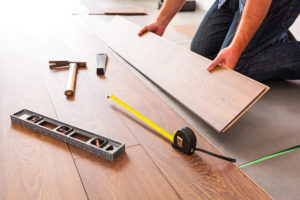
Begin by taking measurements of the width and length of each room or space using a tape measure. Multiply these numbers by to determine each space’s square footage.
Include 5-10% more in your measurements to allow for cuts and waste in the process of installation, especially in tile or hardwood. Purchase just enough material this way, with no more than minimal overages or deficiencies.
Based on cost, durability, and looks, flooring can be classified. Ordinary hardwood floor costs range from $6 to $15 per square foot. Laminate or vinyl, with lower price points, can cost anywhere from $2 to $6 per square foot. Tile is somewhere in between the prices of $3 to $10 per square foot.
Hardiness matters for busy spaces, and style will pair with your design taste. Shop around and check to see if the stores locally have bulk prices or sale prices to give you. Don’t forget to include the extras, such as adhesives or underlayment, which can cost $0.30-$1 per square foot.
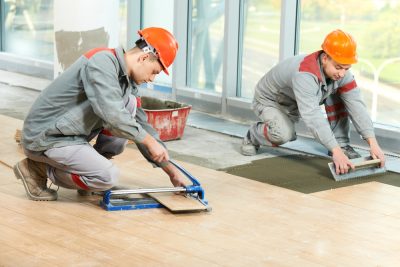
Installation rates impact your flooring budget, varying from $2-$8 a square foot based on material and complexity. Unique patterns, such as herringbone or curved arrangements, can add to installation costs. Subfloor work, like leveling or repairs, is additional. To keep things in check, obtain quotes from a minimum of two or three professional installers.
Inspect your subfloor for damage or uneven areas that need repair. Removing old flooring, such as carpet or tile, can add to material expenses. The preparation may involve cleaning, a moisture barrier, or underlayment, all of which affect the bottom line.
Unexpected expenses like subfloor repairs or extra materials can sneak up on you. Set aside 10-15% of your budget for unexpected costs. Sticking to this cushion will keep you from going over budget and allow you to bring your project back in line.
The materials are very different with respect to price, durability, maintenance, and appearance, so approach the challenge carefully! For the most informed opinion, consider this:
Durability and maintenance are equally important. While engineered hardwood might appear more cost-effective at first, solid hardwood can be refinished hundreds of times, ending up costing you more over the course of its lifespan.
Oak is an old standby due to its enduring look and resilience, but at a lower cost. Luxury vinyl offers durability with minimal upkeep at the middle price point. Refinishing old hardwood floors is another intelligent choice, providing them with a renewed existence for decades to come without the full replacement process.
If your home sits on raised piers, plan for the chance that pulling up old flooring reveals soft or damaged subfloor. Years of humid air under the house or an old leak can weaken boards you can’t see until the floor is open. Setting aside part of your contingency for subfloor preparation keeps that surprise from derailing the project.
Slab homes have a different wild card: moisture moving up through the concrete. A moisture test before installation tells you whether you need a vapor barrier or a moisture-tolerant adhesive, and an uneven slab may need floor leveling before tile or long planks go down.
Check who you’re hiring, too. In Louisiana, home improvement jobs over $7,500 and up to $50,000 require a home improvement registration with the state licensing board, the LSLBC, while jobs of $50,000 or more, or any structural work, call for a full residential license. Ask to see that registration or license before you sign.
Whether you’re pricing a single room in LaPlace or a whole house closer to the city, ask for a written quote that lists removal and prep work line by line.
Understanding upfront costs enables you to avoid surprises and stay within your project budget. Prioritize exceptional items (labor, material, and all costs of doing business), putting your budget in balance with your vision. Consider durability, beauty, and maintenance when selecting materials since all these influence cost and long-term value.
A smart budget not only saves money, it streamlines the entire experience. Whether you’re renovating one room or something bigger, planning can help you make sound decisions.
If you’re not sure where to start or want expert guidance, our team at TurnKey Floorings is here to help. We’ll work with you to find the right flooring solution for your space. Contact us today and let’s get started.
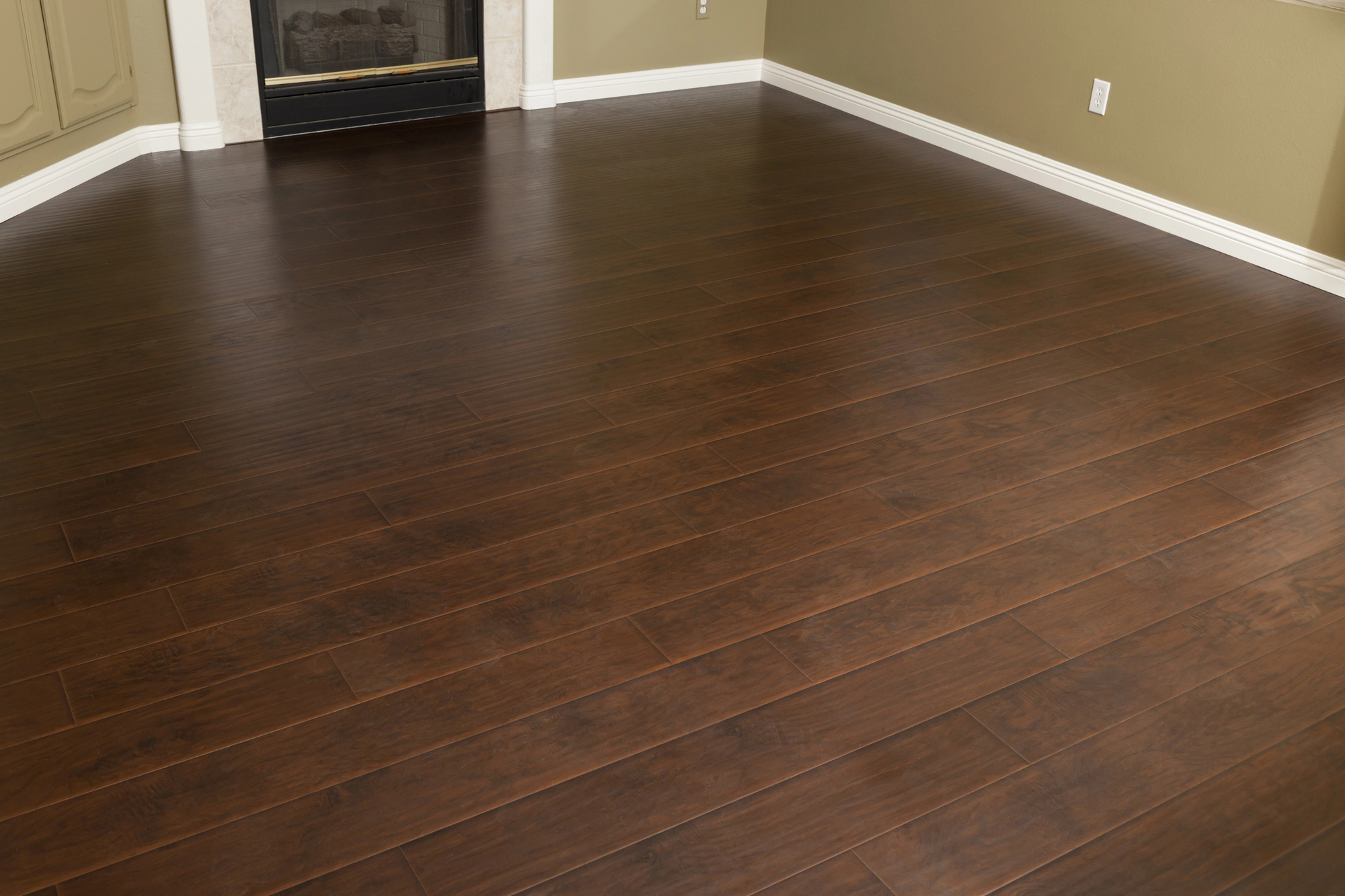
Every floor in your home needs a slightly different kind of care. Hardwood, laminate, tile, carpet, and vinyl each react differently to dirt, spills, and moisture, and in New Orleans humidity adds ...

Flooring trends for 2025 lean bold but practical, mixing good looks with everyday toughness. Reclaimed wood, big tiles, and waterproof planks all have their moment, and in New Orleans the trends wo...
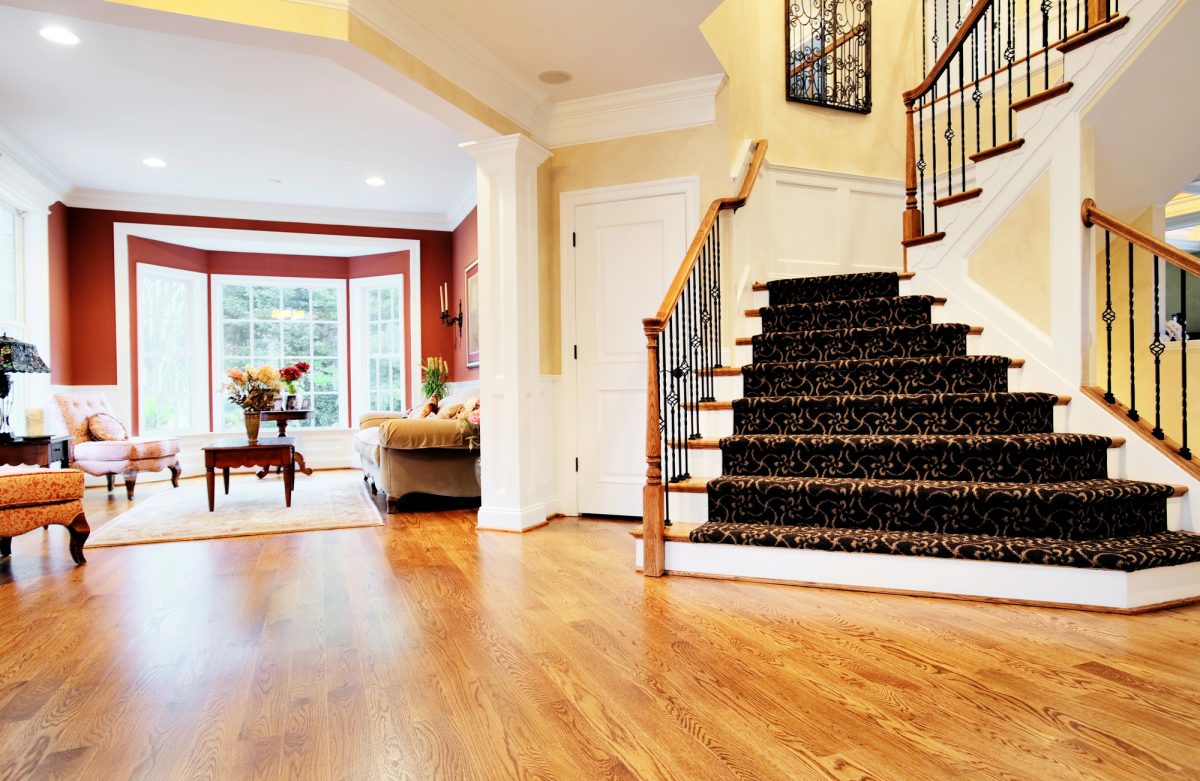
Table of Contents 1. Key Takeaways 2. How Flooring Boosts Curb Appeal a. Creates First Impression b. Defines Outdoor Spaces c. Guides The Eye d. Unifies Architecture e. Adds Te...
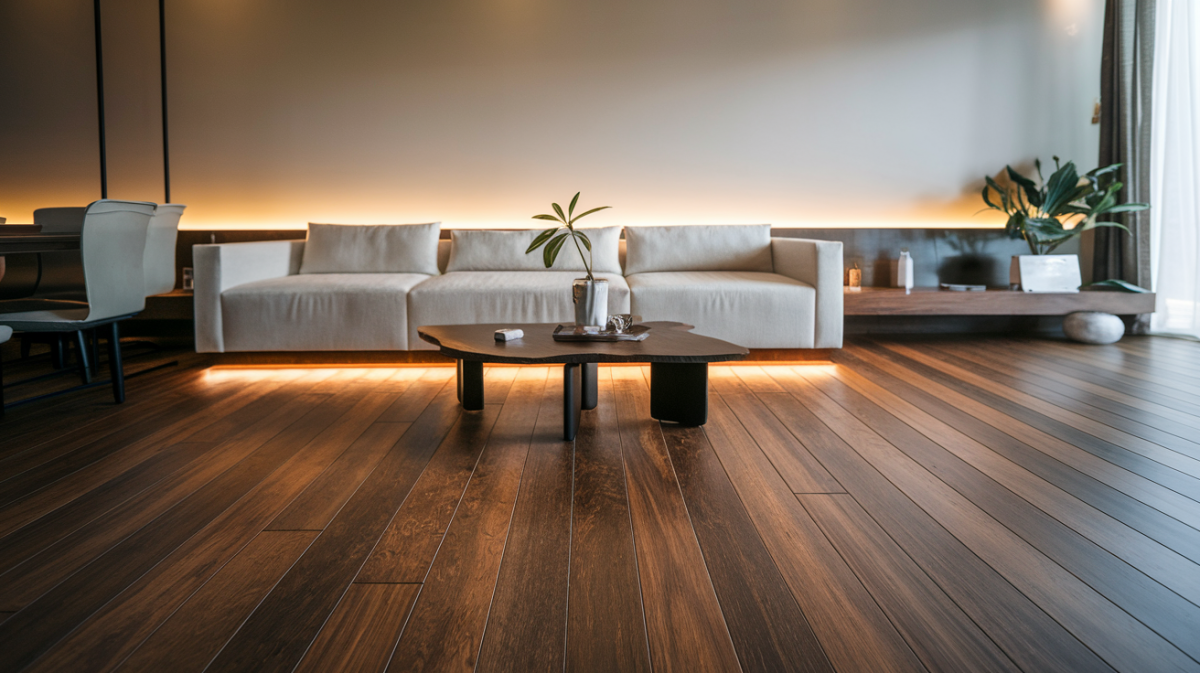
Engineered wood flooring is an excellent choice for homeowners who want the beauty of wood with less worry about warping or moisture damage. That stability matters in New Orleans, where humid summe...
Table of Contents Key Takeaways The Enduring Appeal of Hardwood Flooring a. Timeless Beauty b. Lasting Durability c. Financial Value d. Healthier Homes e. Design Flexibilit...

Table of Contents Key Takeaways Flooring's Environmental Footprint Raw Materials Production Installation In-Home Impact Disposal Evaluating Eco-Friendly Flooring ...