Using low-VOC finishes or adhesives will allow you to follow your environmental instincts when picking flooring options. You will not only be protecting our planet, but you will also further demonstrate your commitment to sustainability.
In this post, we will review the most recognized flooring materials, provide an environmental impact statement, and offer some tips on making green choices. If you’re ready to explore eco-friendly flooring, let’s talk about the options that match your style and values. Reach out to us today, we’d love to help you create a home that’s beautiful and better for the planet.
Key Takeaways
Flooring makes a big environmental impact, from the raw material being extracted to its disposal.
From the production process, flooring materials have emissions and energy use.
Installation methods count in green decisions.
Sustainable flooring options also offer plenty of benefits inside the house: increased thermal and acoustic insulation, enhanced air quality, and durability.
Proper disposal of old flooring products is important to help reduce landfill waste.
Flooring’s Environmental Footprint
For example, floors, which are one of the largest components of a home, have a broad range of environmental footprints. By knowing these effects, buyers can make educated, green flooring choices.
Flooring Material
Environmental Impact
Hardwood
High deforestation impact; long lifespan if sustainably sourced
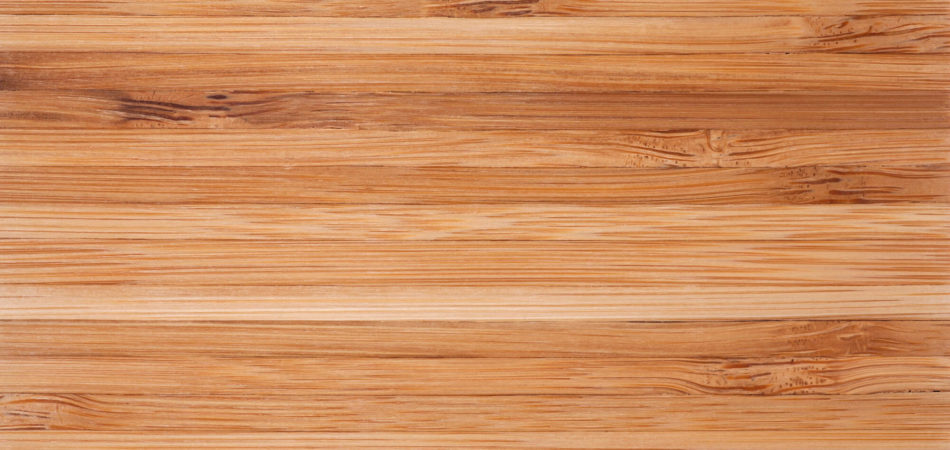
Bamboo
Rapidly renewable; lower carbon footprint than hardwood
Vinyl
High energy production; contains harmful chemicals; challenging end-of-life disposal
Laminate
Difficult to recycle; releases toxins in landfills
Cork
Renewable; minimal waste during production
Recycled Materials
Reduces landfill waste; supports circular economy
1. Raw Materials
Cutting down hardwood has caused a loss in forests, changes to the land, and impacts on ecosystems and species diversity. Sustainable forest management, including FSC certification, aims to reduce these impacts by assisting with the sustainable and responsible harvesting of timber.
2. Production
Emissions are heavily driven by flooring. Vinyl production releases dioxins, and traditional adhesive producers incorporate phthalates that harm human health.
Responsible, ecologically sustainable producers seek out green certifications and use recycled materials to cut emissions. The comparison of laminate and sustainable alternatives demonstrates the environmental benefits of low-energy systems with reduced emissions and lower harmful toxic inputs and emissions.
3. Installation
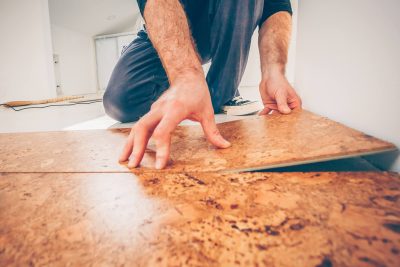
Low-VOC adhesives enhance indoor air quality, encouraging healthier circumstances. Proper preparation of subfloors reduces material consumption, and thoughtful installation, such as cutting without waste, reduces waste. Recyclable underlayment materials are a sustainable choice.
4. In-Home Impact
Natural flooring contributes to air emissions, and certainly insulates and helps lower energy costs. Also, cork and bamboo are good for sound and help in reducing sound, making a peaceful experience in homes. Hardwood and other durable options keep flooring lifespans long and replacement to a minimum.
5. Disposal
Synthetic flooring, such as laminate and vinyl, has landfill issues and leaches chemicals over time. Programs to recycle rubber and reclaimed wood contribute to reduced waste. Natural biodegradables, such as cork, are perfectly biodegradable and environmentally friendly.
Evaluating Eco-Friendly Flooring
A collective investigation of certifications, substantive health, and life-cycle longevity can find products with the least overall environmental impact.
Certifications
Certifications can be a helpful indicator of sustainable flooring. Major certifications are Forest Stewardship Council (FSC) Certification, which gives assurance that wood sourcing is done properly, and GreenGuard, which recognizes products with the lowest emissions in order to promote and produce low-emitting indoor air quality. A cradle to cradle certification ranks a product by safe use of materials, resources saved, and circular economy factors.
Material Health
Using healthy materials enhances the sustainability and safety of indoor environments. Here are a few recommendations:
Look for products with Environmental Product Declarations so you can understand the impact they have throughout their lifecycle.
Look for non-toxic, low-VOC flooring, such as cork flooring or engineered wood.
Bamboo has one other quality that brings a lot of value: it is naturally antimicrobial, making it another great, sustainable, and healthy option.
Material health is important to indoor air quality, particularly in tight, sealed environments. Similarly, cork material fights mold, which helps make the environment less allergenic and healthier. Clear statements instill trust in a product’s larger ecological impact.
Durability
Longevity reduces waste and extends the life of flooring. Consider the following:
Hardwood flooring is durable and can be refinished; it can outlast trends.
Bamboo is fast-growing and offers a balance of durability and sustainable characteristics.
Luxury vinyl offers durability and wearability, and is an ideal solution for high-traffic areas.
Consistent replacement adds waste and drains material resources. Select long-lasting materials that are also sustainable, like reclaimed wood, which makes use of existing raw material. Hard choices also make economic and environmental sense.
Sustainable Flooring Materials
Flooring is a primary area of sustainable design to consider because of the area covered and the material options available. Sustainable flooring can help reduce waste and save materials and resources while also reducing carbon footprints. Below are sustainable flooring options to consider.
Bamboo
Cork
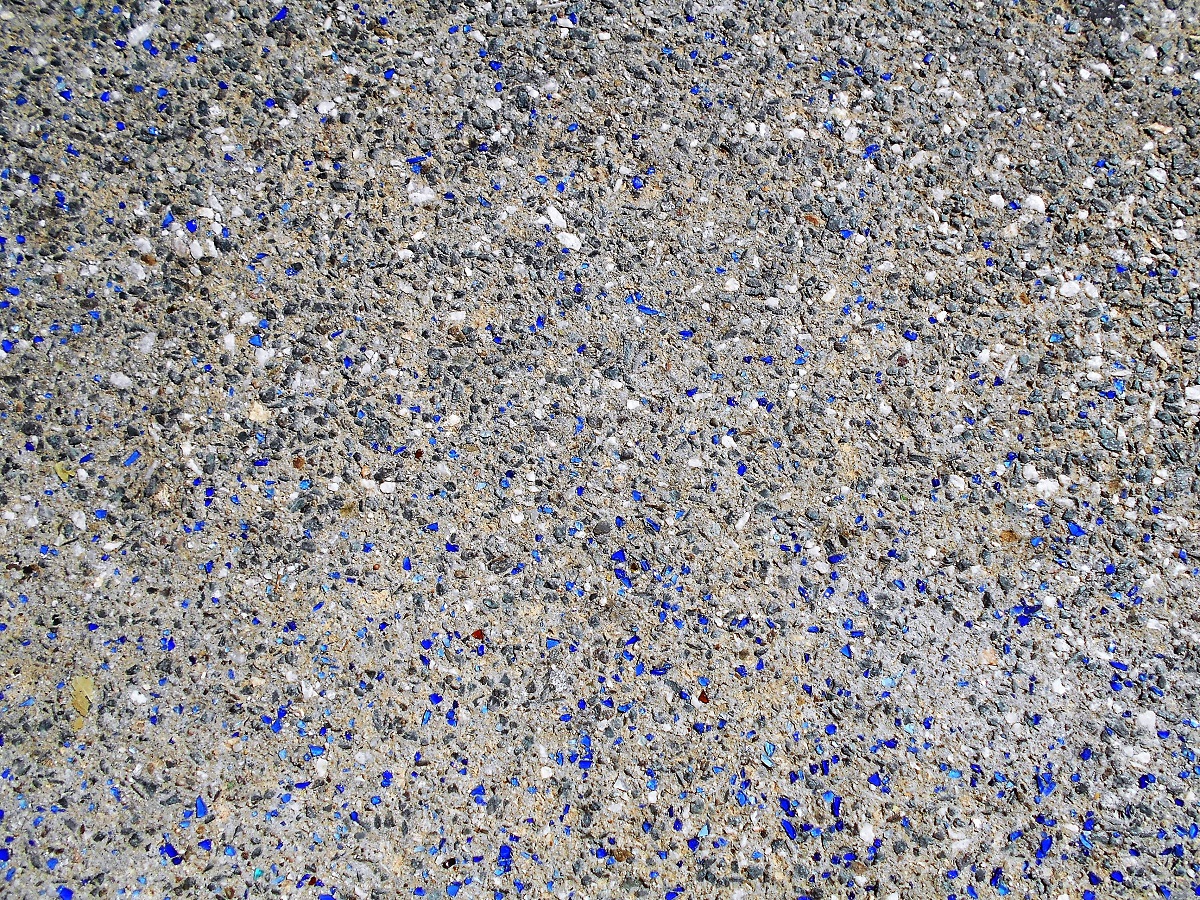
Recycled glass tiles
True linoleum
Rubber flooring made from recycled tires
Responsibly sourced hardwood
Eco-Friendly Flooring That Holds Up in Louisiana Humidity
Some of the greenest materials are also the most sensitive to moisture. Bamboo and cork are renewable, but both can swell or cup when humid air or standing water gets to them. They do best in rooms with steady air conditioning, not in a laundry room or on a slab that hasn’t passed a moisture test.
Durability is its own kind of sustainability here. Porcelain tile and quality luxury vinyl can last for decades in kitchens and baths, and solid hardwood that can be sanded and refinished several times stays out of the landfill. If you already have original wood floors, refinishing them is often the lowest-impact upgrade you can make.
Indoor air quality matters in a house that stays closed up with the AC running for months at a time. Ask for low-VOC adhesives and finishes, and look for FloorScore or GreenGuard certification. Homeowners from Covington to the South Shore can compare samples in their own light before deciding.
Let Your Floors Show a Knack For Green
Choosing sustainably sourced flooring will help minimize your home’s carbon footprint. Reclaimed wood or sustainable options, such as bamboo or cork, can provide an attractive and functional option in the right rooms.
Discover the possibilities and let your floors show a knack for green with TurnKey Floorings. Call us today, and we’ll help you choose the right eco-friendly flooring that brings both style and sustainability to your home.
Choosing flooring for kitchens and bathrooms comes down to how well a material handles water, stains, and heavy foot traffic. In New Orleans, add humid air and the occasional storm to that list, wh...
Every floor in your home needs a slightly different kind of care. Hardwood, laminate, tile, carpet, and vinyl each react differently to dirt, spills, and moisture, and in New Orleans humidity adds ...
Luxury vinyl has become a go-to flooring choice because it combines good looks with durability and a fair price, and the team at TurnKey Floorings installs it in homes and businesses across the met...
Table of Contents
Key Takeaways
Crafting Your Flooring Budget
a. Measure Your Space
b. Research Materials
c. Factor in Labor
d. Account for Prep
e. Add a Contingency
...
Choosing flooring for high-traffic areas comes down to durability, appearance, and upkeep. Porcelain tile, luxury vinyl, and engineered hardwood resist scratches and clean up easily, which makes th...
Have you ever wondered why some floors look brand new years after installation, while others quickly show wear and tear? Flake flooring is an ideal choice for high-traffic areas where durability me...


 Turnkey Floorings
  Sep 15, 2025