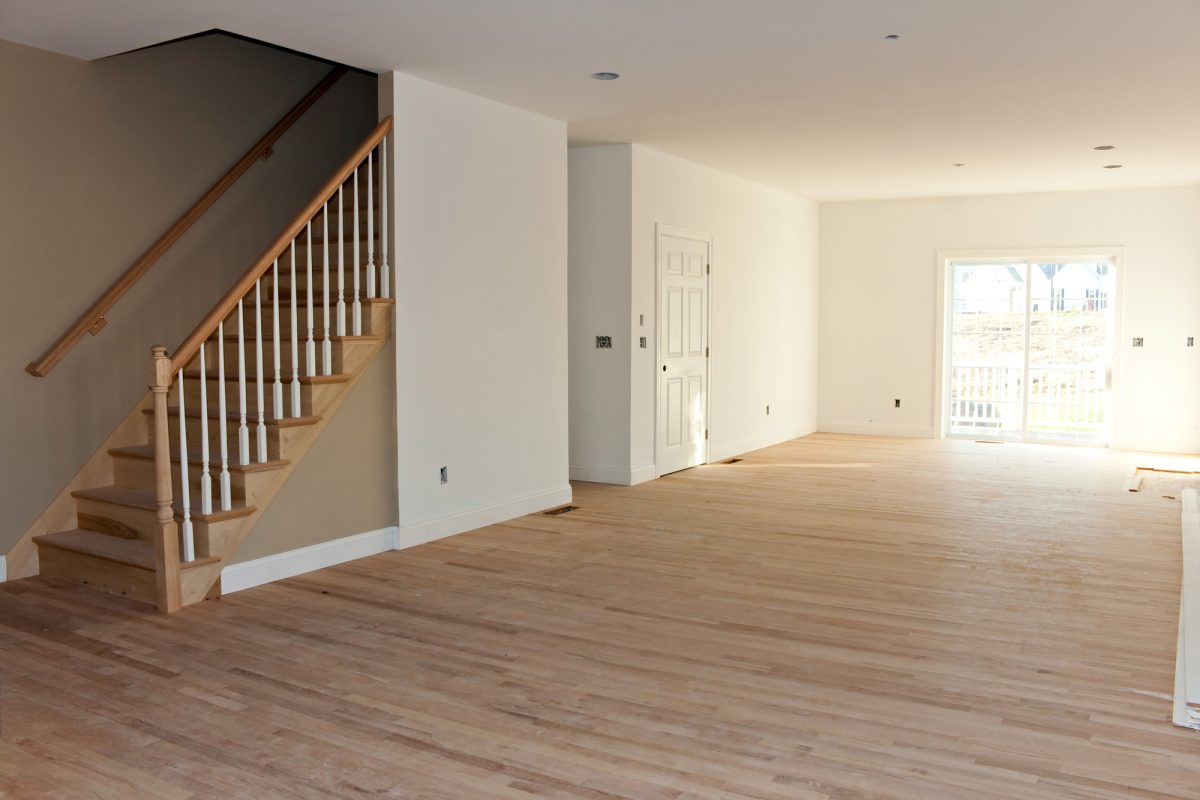
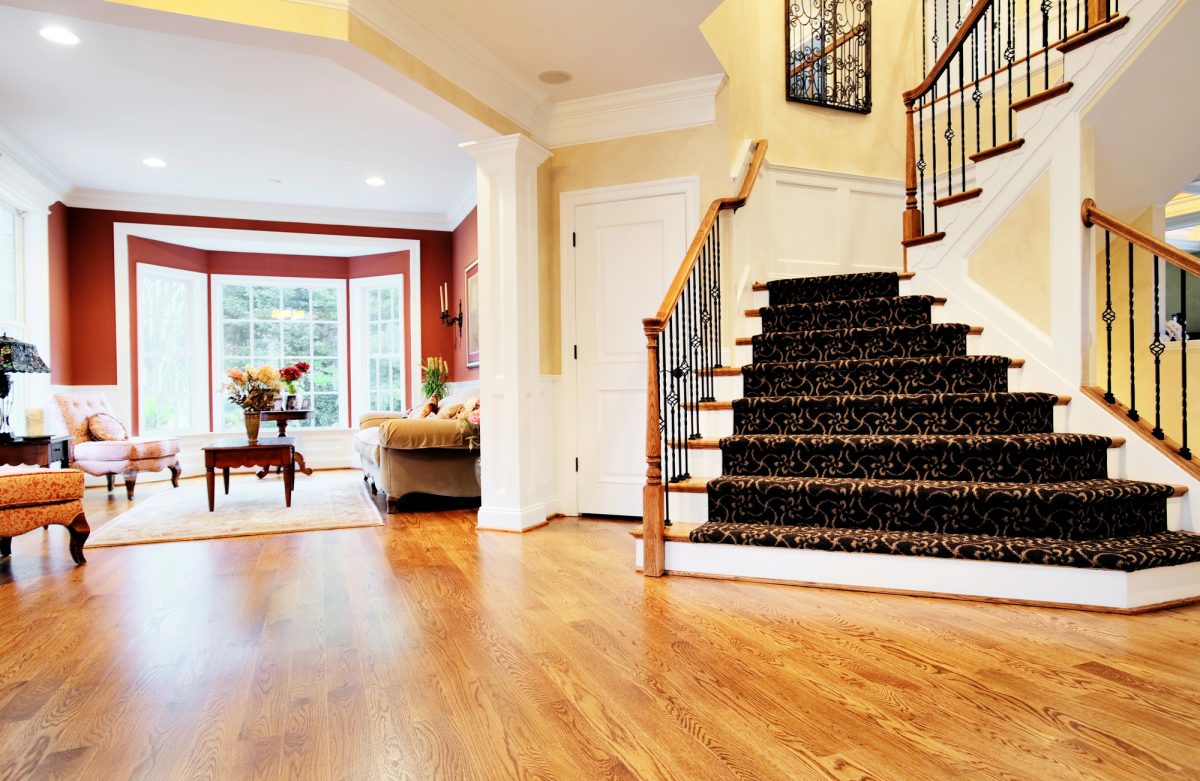
Want long-lasting, attractive floors? The key is choosing the right materials and proper installation. Avoid common mistakes like poor subfloor preparation or selecting low-durability materials, which can lead to higher costs later.
Whether you’re tackling a DIY project or hiring professionals, being informed is essential. TurnKey Floorings provides expert advice, quality materials, and professional installation. Join many satisfied homeowners with standout, durable floors.
Call us today for exceptional flooring solutions!
Mistake 1: Choosing the Wrong Flooring for High-Traffic Areas
For busy areas like entryways and living rooms, it’s important to choose durable flooring to prevent damage and avoid frequent replacements. Strong materials such as ceramic tile, hardwood, laminate, or specific types of vinyl work well in high-traffic areas. Opting for the wrong material can lead to frequent repairs and a less attractive space.
 Common Errors
- Material Choice: Selecting fragile materials like softwood or carpet for high-traffic areas
- Durability Issue: Quick wear and damage due to the material’s inability to handle heavy foot traffic
- Prevention: Starting with more durable flooring helps prevent early deterioration
Durable Options
For high-traffic areas, tile, vinyl, and hardwood are strong choices. These materials are long-lasting and can handle significant wear. Tile and vinyl offer moisture resistance, while hardwood brings a classic, warm aesthetic. Each material has unique benefits for busy spaces.
Installation Tips
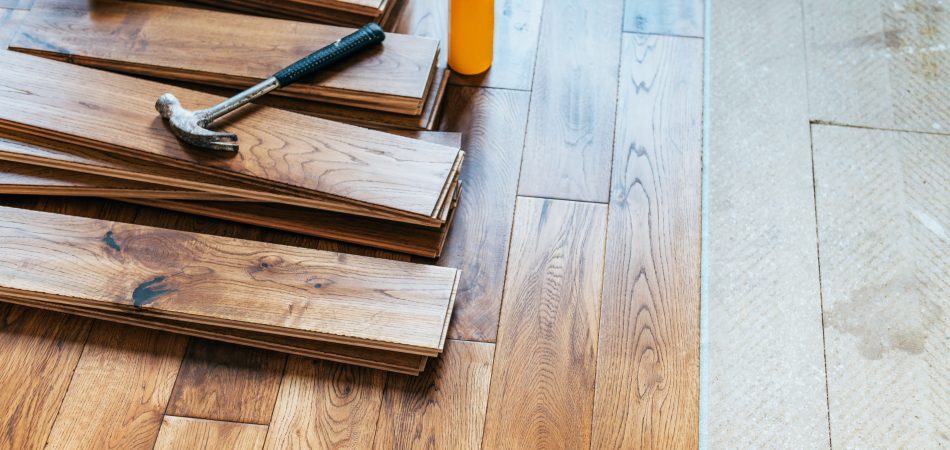
DIY flooring projects can lead to issues, such as improper subfloor preparation, which can result in an uneven surface. Ensuring the base is flat and clean is critical. Hiring professionals helps prevent such mistakes, as they have the experience to install various types of flooring accurately, delivering great results.
Mistake 2: Ignoring Subfloor Preparation
Skipping subfloor preparation can lead to significant problems, such as uneven, squeaky floors or long-term damage. Proper preparation guarantees your floor looks great and lasts, whether you’re installing hardwood, tile, laminate, or carpet. A clean, dry, and level base is necessary to avoid costly fixes down the line.
Proper Inspection
Before installing new flooring, always inspect the subfloor. Overlooking this step can lead to issues like cracking or warping. Make sure the subfloor is flat, clean, and free from damage. Addressing any existing issues will extend the life of your flooring and maintain its appearance.
Leveling Matters
After inspecting the subfloor, it’s important to level it. High spots can create pressure points that may damage your flooring over time. Using the correct tools will help ensure the surface is even and stable. If you’re unsure, consulting a professional can provide peace of mind.
Mind Moisture
Moisture is a common cause of floor damage, especially in areas prone to dampness. Adding a moisture-resistant layer between the subfloor and the new flooring can prevent issues like mold or wood rot. Before installation, use a moisture meter to ensure the subfloor is adequately dry.
Mistake 3: Not Considering Moisture Exposure
Neglecting to account for moisture when selecting floors can lead to expensive repairs. Floors like hardwood can easily be damaged by water, making them a poor choice for areas like kitchens or bathrooms. In these damp spaces, water-resistant materials like tile or vinyl help prevent damage and mold, keeping both your floors and your home in good condition.
Damp Areas
 Moisture issues are especially problematic in spaces like bathrooms and basements. Selecting the wrong flooring can lead to warping and mold growth. Vinyl and tile are great choices for these areas, as they can withstand exposure to moisture and offer durability.
Material Choices
Not all flooring is suitable for areas prone to moisture. Hardwood, for instance, is susceptible to swelling and damage in wet environments. Vinyl and ceramic tile are much better suited for these spaces due to their water resistance and longevity.
Mistake 4: Improper DIY Installation
DIY flooring mistakes can result in uneven and unsafe surfaces, which not only look unattractive but can also cause accidents. Such issues might reduce your home’s value and void warranties, leaving you responsible for repair costs. Learning the correct installation methods or hiring a professional can help you avoid these problems.
Common DIY Mistakes
Here are some frequent mistakes homeowners make with DIY flooring installations:
- Skipping subfloor prep: Leads to uneven or squeaky floors.
- Incorrect measurements: Results in gaps or misalignment of flooring pieces.
- Improper tools: Using the wrong tools can lead to damage during installation.
Experience Matters
While trying to save money, some homeowners attempt to install floors themselves but often lack the necessary skills. This can result in gaps, uneven surfaces, and premature wear. Failing to properly prepare the subfloor or handle high-traffic areas can cause the flooring to wear out quickly or become unsafe.
Professional Help
When installing new floors, it’s important to recognize when professional help is needed. Complex jobs and tricky materials benefit from an expert’s touch.
While professional installation may seem like an added cost, it is a worthwhile investment that ensures the job is done correctly and your home’s flooring lasts longer. A professional can manage the challenges of flooring installation, ensuring smooth, flawless results.
Mistake 5: Overlooking Maintenance Requirements
Neglecting to maintain your floors leads to damage and the need for early replacement. Every type of flooring—whether hardwood, laminate, vinyl, or carpet—requires specific care, such as refinishing or vacuuming, to prevent scratches and fading. Without regular upkeep, floors can deteriorate quickly, resulting in more expensive repairs or replacements.
Maintenance Tips by Flooring Type
 Here are some general maintenance requirements for common flooring materials:
- Hardwood: Regular cleaning and refinishing every few years to prevent scratches and dullness.
- Laminate: Sweeping and damp mopping; avoid excessive moisture.
- Vinyl: Simple sweeping and occasional mopping.
- Carpet: Regular vacuuming and professional deep cleaning as needed.
Maintenance Costs
Many homeowners only consider the initial purchase and installation costs of flooring, overlooking the importance of long-term care. Without regular maintenance, even high-quality floors can lose their shine, resulting in higher costs down the road. Regular upkeep ensures that your floors stay in good condition and last longer, saving you from the expense of early replacement.
Low-Maintenance Options
For busy homeowners, low-maintenance flooring options like vinyl, laminate, or tile are practical choices. These floors are easy to care for, look great, and work well in high-traffic areas, as they resist scratches, moisture, and stains.
Get Flooring Help From TurnKey Floorings!
Avoid common flooring mistakes like choosing the wrong material for high-traffic areas, neglecting subfloor prep, or skipping maintenance. Professional installation makes sure your floors last and look great.
Contact TurnKey Floorings today for expert guidance and durable, beautiful flooring solutions!


 Turnkey Floorings
  Sep 12, 2024